Why New Zealand stays feel so expensive
We felt it the first time we moved pins on the map: the rental car was already paid for, but every “easy” overnight stop—Lake Tekapo, Wanaka, Paihia—seemed to add another chunky line item. New Zealand stays often feel expensive because you’re paying for scarcity as much as comfort: small towns with limited inventory, long distances that funnel most road-trippers into the same few hubs, and peak-season demand that doesn’t leave much “middle-priced” stock once the good-value rooms go.
It also isn’t always apples-to-apples pricing. Motels can look straightforward until you realize you’re trading charm for a reliable kitchenette (which can save you real money on food). Holiday parks and campgrounds can be great value, but power sites, cabins, and linens add up, and you may lose time on check-in rules or shared facilities. Airbnbs can win on space for couples, yet cleaning fees and minimum nights can punish short hops—especially when you’re trying to keep the itinerary flexible.
Finally, location costs sneak in. Staying “in town” can be pricier, but staying 20–40 minutes out might shift the bill to fuel, fatigue, and fewer dining options—fine for one night, harder when you’re stacking big driving days.
Choose cheaper regions, seasons, and weekdays
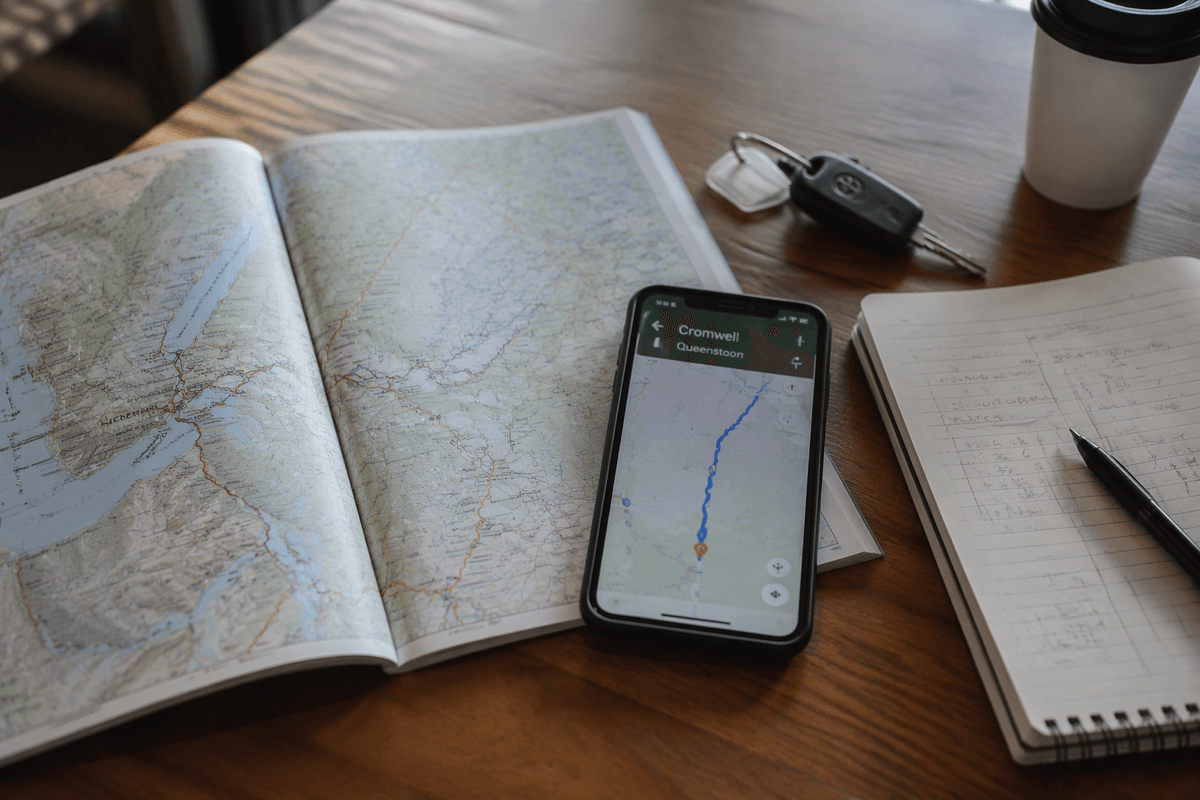
We saved the most money the week we stopped trying to “sleep in the postcard.” Queenstown, Wānaka, Tekapō, and the Bay of Islands are fantastic—but they’re also the quickest to surge when anything fills (weather windows, festivals, school holidays). The workaround that actually held up was choosing a base town with more inventory and driving in: Cromwell or Arrowtown instead of central Queenstown, Ashburton or Timaru instead of Tekapō, Whangārei instead of Paihia. It works, but you’re buying extra driving and committing to earlier starts for sunrise walks.
Season matters more than people expect. Shoulder months (roughly late autumn or early spring) can drop nightly rates fast, yet you’ll trade that for shorter daylight, cooler cabins, and the occasional “closed midweek” café or tour. If you’re banking on hikes, have a plan B that doesn’t require perfect visibility—because the cheaper night can turn into a wasted day if the weather locks you out.
Weekdays are the quiet lever: aim for big-name stops Monday–Thursday and push long drives to Friday when prices jump. The catch is that some smaller places run reduced services midweek, so confirm check-in hours before you commit to a late arrival.
Pick the right stay type for your trip
We realized pretty quickly that our “default” stay type had to change depending on where we were—and how tired we’d be at 6pm. In small towns, motels often won on pure logistics: easy parking, quick check-in, and usually a kitchenette. The problem is that one-night motel hops can feel overpriced for what you get, especially if you’re paying a premium just to be walking distance to the one restaurant that’s open.
Holiday parks were our best-value reset button when we wanted space and a kitchen without Airbnb’s cleaning fees. Cabins can be warm and social, but the details matter: some are basic (thin walls, shared bathrooms), and powered sites plus linen can push the total closer to a motel anyway. For couples, a “simple cabin + your own bedding” can be the sweet spot—unless you arrive late and discover the reception closed earlier than you expected.
Airbnbs worked best as a 2–3 night anchor in bigger bases (laundry, cooking, breathing room), but they’re the least forgiving if you want flexibility—minimum stays and strict cancellation policies can turn a weather pivot into a sunk cost. Hostels can be a surprisingly good backup in pricey hotspots if you book a private room, though you’ll trade privacy and sometimes parking convenience for the savings.
Book smarter: bundles, alerts, and flexibility
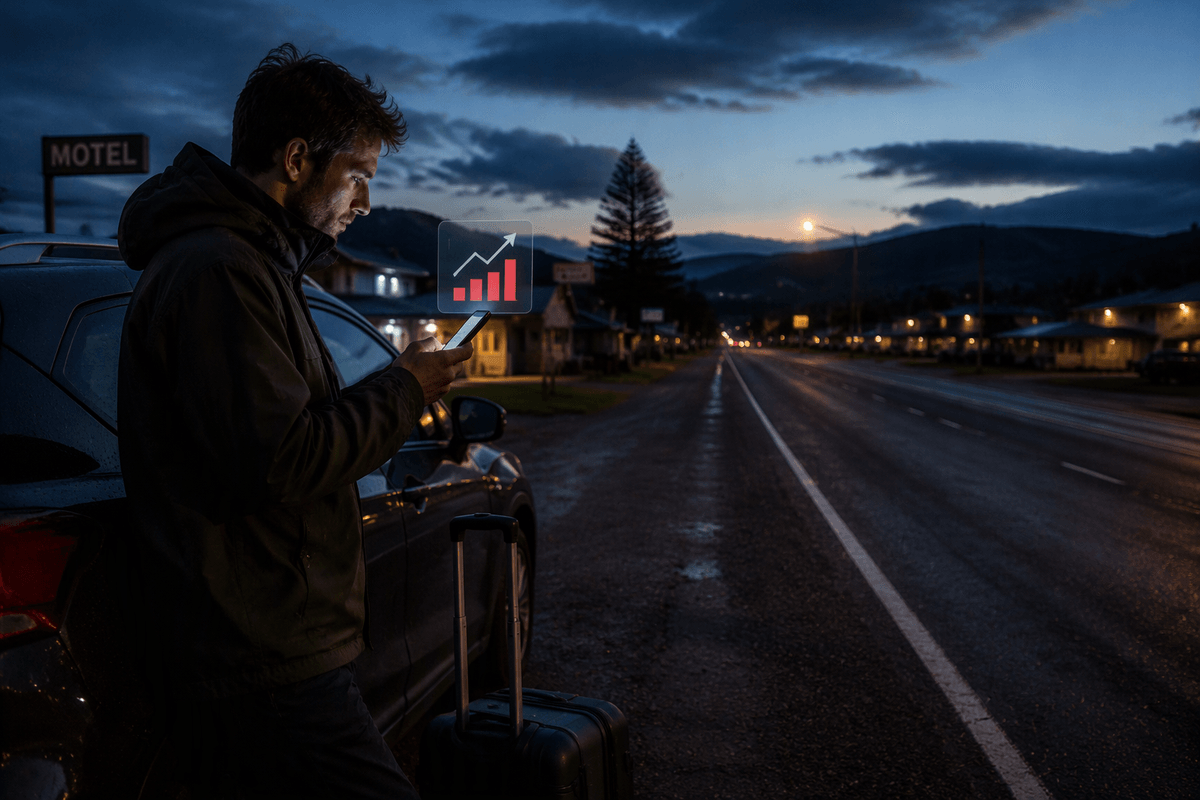
I’ve watched a “maybe we’ll stay here” night turn into a $120 swing in the time it took to fuel up and grab groceries—so for New Zealand, we treated booking like a sliding scale, not a single strategy. For high-demand towns (Queenstown/Wānaka/Tekapō, popular trailheads, anywhere with limited rooms), we’d lock in cancellable options early, then keep a second, cheaper option on a shortlist within a 30–45 minute radius. It’s slightly annoying admin, but it beats arriving at 7pm and paying for whatever’s left (or driving another hour in the dark).
Bundles can help, but only when you price them like a skeptic. Booking.com’s “Genius” and mobile-only deals sometimes undercut direct rates, yet they can also hide stricter cancellation rules—fine for a fixed itinerary, painful if weather reshuffles your hike days. If you’re doing two nights, message motels/holiday parks directly and ask for a “two-night rate” or midweek deal; it works more often in shoulder season, less when rooms are already tight.
Two practical habits made the biggest difference: set price alerts (even just a saved list you check daily) and stay flexible on the boring details. Swapping “lake view” for “parking lot side,” shifting one night to a weekday, or accepting a 4pm check-in window can unlock lower categories that sell out first—especially in small towns where there might only be three genuinely good-value rooms.
Use memberships, discounts, and loyalty perks
I hesitated to bother with memberships on a one-off road trip—until we realized two “small” perks can equal a tank of petrol in New Zealand. If you’re booking even a few nights through Booking.com, Genius discounts can be real, but only when the cancellation terms stay flexible; some discounted rates quietly lock you in, which stings if you need to shift a night for weather. Likewise, a simple cashback portal can shave a bit off prepaid bookings, but it’s rarely worth it if you end up paying more for a non-refundable rate.
For holiday parks, it’s worth checking whether a membership (like NZMCA if you already have access through family/friends, or chain-specific deals) actually matches your style: the savings show up when you’re doing multiple park nights, not one cabin here and there. The catch is that member-only rates can come with tighter check-in rules, and some parks still charge extra for linen or additional adults, so the “discounted” total can land close to a basic motel anyway.
The most reliable perk we found was simply asking—politely and specifically—at smaller motels: “Do you have a midweek rate for two nights?” It doesn’t always work in peak season, but when it does, it beats chasing points you’ll never use again.
Balance savings with comfort and logistics
One night in particular taught us that “cheap” can be the most expensive option if it breaks your rhythm: we grabbed a bargain cabin far outside town, then paid it back in an extra grocery run, a late check-in scramble, and a 45-minute drive to dinner because the only nearby option was booked out. In NZ, the sweet spot is usually not the lowest nightly rate—it’s the place that keeps your driving tidy, lets you cook once a day, and doesn’t force you into expensive last-minute choices when you’re tired.
If you’re doing a 10–14 day loop, aim for a pattern that protects energy: two-night anchors in bigger bases (laundry + proper kitchen), then one-night “transit” stays where parking is easy and check-in is forgiving. Watch the hidden comfort-cost triggers: heat pumps (or lack of them) in shoulder season, paid linen at holiday parks, coin laundry that’s only open certain hours, and units that are “close to town” only if you’re willing to walk unlit roads after dark. Saving $40 is great—unless it costs you an hour, a meal out, and a grumpy morning start.