What Diet Can and Cannot Change
After changing breakfast or cutting out a familiar food, you may notice less bloating, steadier energy, or simply a different rhythm to your day. Those changes can be meaningful, but they do not necessarily show that the food caused Hashimoto’s or that removing it changed the autoimmune process. Sleep, stress, digestion, nutrient intake, and normal day-to-day variation can all influence how you feel.
Diet can support regular meals, adequate nutrition, comfortable digestion, and a medication routine that is easier to follow. It may also reveal practical triggers, such as eating patterns that leave you tired or taking levothyroxine too close to certain foods or supplements. What diet generally cannot establish on its own is that thyroid hormone production has returned to normal or that Hashimoto’s has been reversed. A short-term improvement may be useful information, but it is not always proof of a single cause.
Why Hashimoto’s Symptoms Persist Despite Healthy Eating
A week of balanced meals can still end with heavy eyelids in the afternoon, cold hands, or a mind that feels slower than usual. Healthy eating supports the body, but it does not remove every reason symptoms may continue. Hashimoto’s can gradually reduce thyroid hormone production, and the effects may be felt unevenly rather than all at once. On top of that, poor sleep, ongoing stress, low nutrient intake, digestive discomfort, or changes in routine can make fatigue and concentration problems more noticeable.
This overlap makes food easy to blame. Someone may feel better after eating more regularly, then assume a particular ingredient was responsible; another person may remove several foods and notice no change, even though the effort creates extra worry or makes meals less consistent. Medication timing can add another layer, especially when levothyroxine is taken near breakfast, coffee, calcium, or iron. These everyday factors may influence how steady treatment feels, but they are separate from the longer autoimmune process. A nutritious diet can help support daily function without being expected to correct every thyroid-related symptom.
Nutrients That Matter Without Overpromising
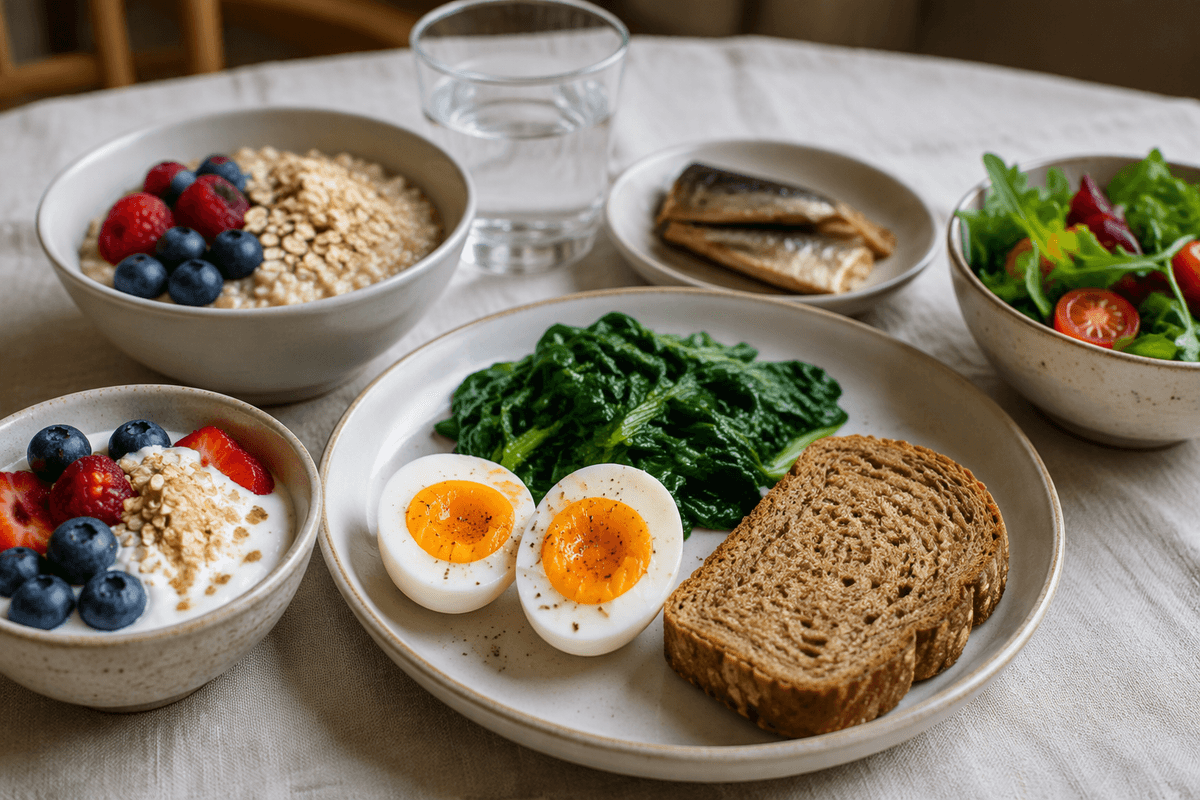
Some days, the difference is less dramatic than a new diet: breakfast keeps you satisfied longer, bowel habits become more predictable, or the afternoon slump feels slightly less sharp. Adequate protein, fiber, iron, vitamin B12, vitamin D, and iodine can matter when intake is low, but the effect depends on the person and the underlying reason for the symptoms. A nutrient gap may contribute to tiredness or weakness, while correcting it does not necessarily change the autoimmune process affecting the thyroid.
Iodine deserves particular caution. The thyroid needs it, but taking extra iodine or using seaweed products is not automatically helpful and may be unsuitable in some situations. Selenium is also often discussed, yet more is not always better, especially through high-dose supplements. Food sources and ordinary meal patterns are usually less concerning than concentrated products, which can add cost, side effects, or confusion. If fatigue, hair changes, or digestive problems continue, it may be more useful to review overall intake and relevant testing than to assume one nutrient is missing.
When Restrictive Diets Create New Problems
By the second week of avoiding gluten, dairy, soy, or several foods at once, meals may begin to feel like a calculation. You might notice less bloating, but also smaller portions, fewer convenient choices, or more anxiety about eating away from home. Those trade-offs can matter, especially if the restrictive pattern lowers protein, fiber, iron, calcium, or overall calorie intake. Fatigue may then be attributed to Hashimoto’s when the new eating pattern is contributing to it.
Removing multiple foods also makes cause and effect harder to interpret. If energy improves, it may be unclear whether the change came from eating more regularly, reducing a personal digestive trigger, sleeping better, or simply paying closer attention to meals. If symptoms continue, the restrictions may still expand without answering the original question. In some situations, a simpler routine is more useful than a longer list of forbidden foods. Any pattern that causes weight loss, persistent hunger, social difficulty, or inconsistent medication timing deserves a careful reassessment rather than automatic expansion.
Food and Levothyroxine Do Not Always Mix
A morning dose can seem routine until breakfast, coffee, or a supplement quietly becomes part of the same window. Levothyroxine may be absorbed less consistently when taken too close to food, particularly meals high in fiber, or alongside calcium and iron supplements. Coffee can also complicate the routine for some people. The result may not feel immediate; instead, energy, concentration, or cold sensitivity may seem to shift gradually, making the food itself an easy target.
Consistency usually matters more than finding a perfect “thyroid diet.” Taking levothyroxine in the same way each day, according to the prescribed instructions, can make changes easier to interpret. Some people take it on an empty stomach and wait before eating, while others use a bedtime schedule if that fits their routine; the appropriate approach depends on the medication directions and personal circumstances. If a new supplement, high-fiber pattern, or major eating change coincides with different symptoms, it is worth reviewing the timing rather than stopping treatment or eliminating foods on your own. Small inconsistencies can create confusing impressions without changing the underlying autoimmune process.
Making Sense of Conflicting Diet Claims

One person may swear that removing gluten restored energy, while another notices no difference after months without it. Both experiences can be real without proving the same explanation. A change in meals may alter bloating, appetite, bowel habits, caffeine intake, or medication timing at the same time, making it difficult to identify which part mattered. Online claims often flatten those differences into a single promise, even though Hashimoto’s, hypothyroidism, digestion, and daily routines do not respond identically from person to person.
It can help to separate three questions: did the change improve a noticeable symptom, did it improve medication consistency, and is there evidence that it altered thyroid function or the autoimmune process? The first may happen without the others. Claims about “thyroid-healing” foods, detoxes, or permanent reversal usually go beyond what everyday observations can show, particularly when several changes are made together. Keeping expectations modest does not dismiss personal experience; it makes that experience easier to interpret without turning temporary relief, discomfort, or coincidence into a universal rule.
A Safer Way to Evaluate Dietary Changes
When a dietary change seems promising, the clearest next step is often to slow it down rather than add another restriction. Keep the change as simple as possible, notice what happens to energy, digestion, hunger, sleep, and medication timing, and allow enough time to see whether the pattern is consistent. Changing several foods at once can make improvement or discomfort difficult to explain, while day-to-day symptoms may shift for reasons unrelated to meals.
A brief record can help separate a practical benefit from a larger conclusion: what changed, when levothyroxine was taken, and whether symptoms returned or stayed improved. If the pattern continues, becomes disruptive, or involves supplements, weight loss, or significant fatigue, discuss it with a qualified healthcare professional before making further changes. Diet may support steadier routines and better comfort, but ongoing symptoms still deserve attention beyond food alone.