Why Prague feels “known”—and what you’ll miss
The first time you step into Old Town Square, there’s a flicker of déjà vu: the same clock photo, the same trdelník queue, the same “authentic” pub menus in five languages. It works—Prague is visually generous—but it can trick you into thinking you’ve already met the city.
What you’ll miss is the in-between Prague: neighborhoods where people aren’t performing for the lens, and where your time budget actually matters. If you spend all day zigzagging between headline sights, you’ll pay in crowds and transit churn, and end up skipping the quieter streets, courtyards, and normal-after-work places that make the city feel lived in.
Neighborhoods locals linger in, beyond Old Town
The easiest correction to “I’ve seen Prague” is to cross the river or hop one metro stop and notice how quickly the souvenir layer thins. The trick is not going far—it’s choosing one neighborhood that has its own gravity, so you’re not burning an hour just to replicate Old Town with fewer people.
If you want a low-friction, everyday Prague evening, aim for Vinohrady: leafy streets, corner cafés, and bars that fill up with locals after work. It’s close enough to bail if you’re tired, but expect mild hills and a quieter vibe that can feel “too normal” if you’re chasing spectacle.
For a sharper contrast, Letná and Holešovice reward a longer wander: park views, design-y spots, and a more contemporary feel. The trade-off is spacing—great when you have a half-day, frustrating when you’re trying to squeeze it between the Astronomical Clock and dinner. Pick one area and commit, instead of sampling three and enjoying none.
Hidden courtyards, passages, and overlooked viewpoints
I kept thinking I’d just “cut through” to save ten minutes—and that’s exactly how Prague slips its best details past you. In the center, the quickest route is rarely the most interesting one, but the detour has to be short enough to justify itself on a 3–5 day schedule.
Start with the passages: Lucerna Passage is the reliable choice when the weather turns or you need a crowd break without leaving town; it’s atmospheric, but you won’t be alone, especially late afternoon. If you want something quieter, take a purposeful wander through the courtyards around Malá Strana—aim for any open gate off the main lanes and treat it like a two-minute test: if it feels private or signed for residents, back out. The constraint here is access; some courtyards look inviting but are effectively semi-private, and it’s not worth the awkwardness.
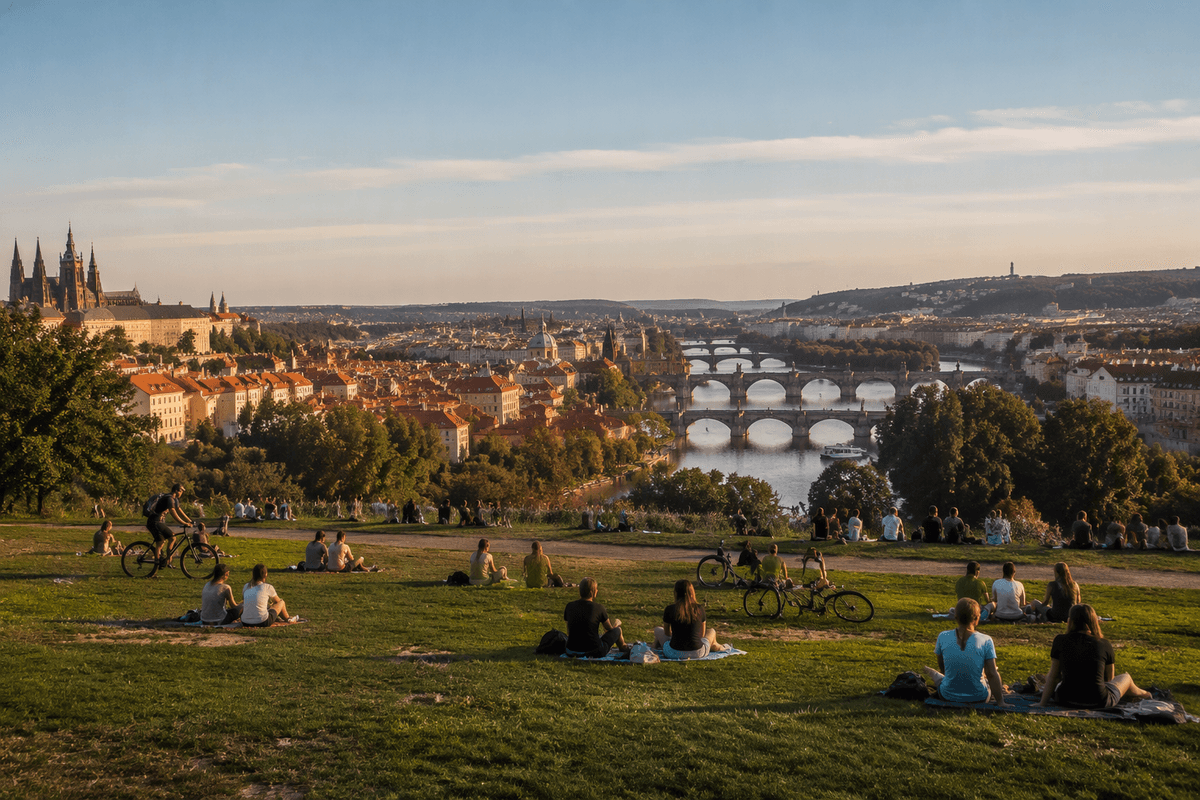
For viewpoints, resist the reflex to default to Charles Bridge towers at peak times. Letná’s park edge gives you a wide, calm skyline read with space to breathe; it’s “less iconic” up close, but more livable. If you’re short on energy, do it near sunset and pair it with a nearby drink—one climb, one payoff, no zigzagging.
Food-and-drink rituals: markets, pubs, cafés, bakeries
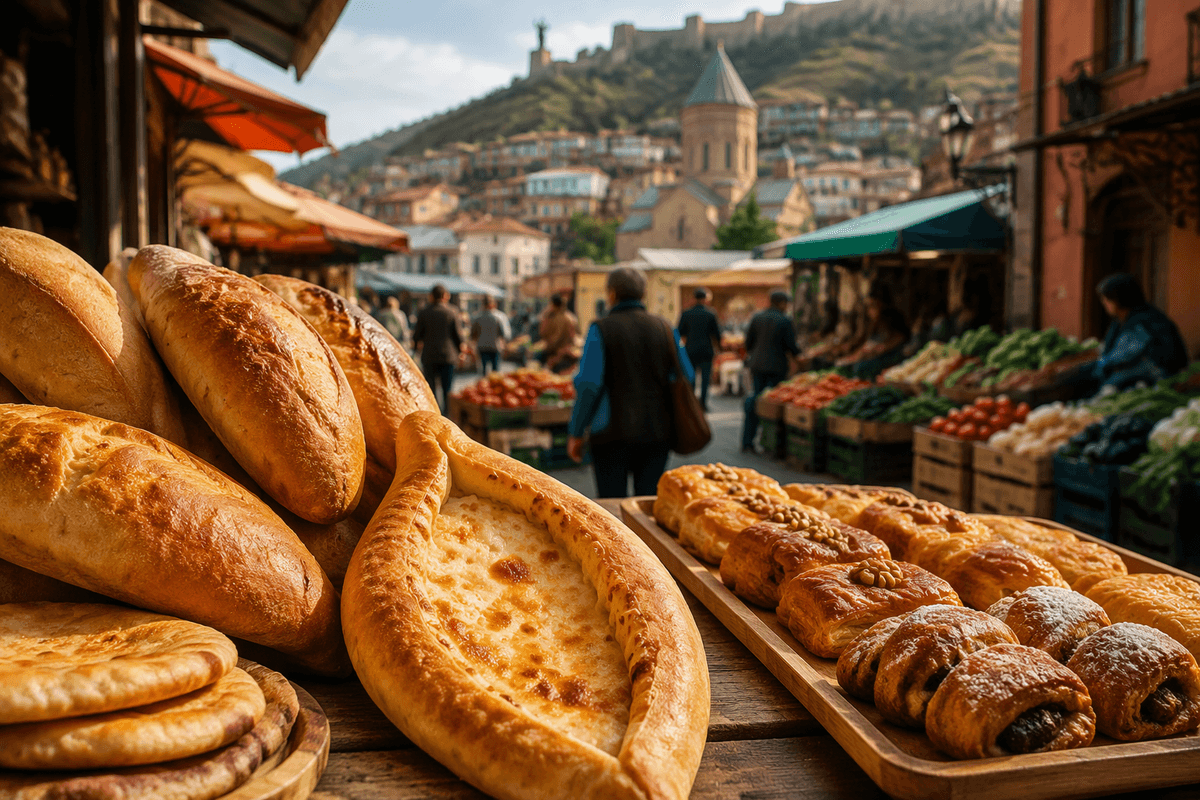
The first time I tried to “eat local” in the center, I lost 25 minutes to menu math and crowds—then paid too much for something that tasted like it had been waiting under a heat lamp. The fix wasn’t hunting a secret address; it was choosing one food ritual per day that matched my route and energy: a market stop when I was already moving, a bakery when I needed momentum, a pub when I could actually sit still.
Markets work best as a timed snack mission, not a full meal plan. Go earlier in the day if you want choice and a calmer browse; go later only if you’re fine with lines and “sold out” signs. The upside is variety without committing to a long sit-down; the downside is you can end up grazing expensively if you keep sampling. I’d pick one savory thing, one sweet thing, then leave—otherwise it turns into a slow drift that steals an hour.
For pubs, the trade-off is simple: the more scenic the address, the less likely it feels like an after-work place. Step just one neighborhood out—Vinohrady or Letná—and you’ll notice the difference in noise level and pace, but you may need a reservation on weekend nights. Cafés and bakeries are your “reset buttons”: perfect between sights, imperfect for lingering if you arrive mid-afternoon when tables get sticky with laptops and strollers. When that happens, take it to-go and keep the day moving.
Hands-on culture: workshops, gigs, river life
I hesitated on “hands-on” plans because they look time-expensive on paper: a workshop here, a gig there, and suddenly you’ve built a day around someone else’s schedule. But Prague rewards one anchored activity—something that forces you to stop consuming the city and participate in it—especially when the rest of your itinerary is already heavy on walking and looking.
Workshops are the cleanest way to get that feeling fast, with one constraint: they’re only worth it if they’re logistically close to where you’ll already be later. A short printmaking or ceramics session in Holešovice can pair naturally with Letná’s parks and bars, but if it’s across town at an awkward hour, you’ll spend more time transferring than making anything. Book ahead when you can; last-minute spots exist, but the timing rarely lands where you need it.
For live music, I found small venues more reliable than “famous” rooms: better crowds, less feeling like you’re attending a checklist item. The trade-off is uncertainty—set times slide, and standing-room shows can be a poor choice after a long day. If you’re fading, put your gig night earlier in the trip.
And then the river: it’s the easiest local reset with the lowest commitment. A simple Vltava walk at dusk works even when you’re indecisive, but wind and drizzle can turn it into a fast loop instead of a linger—so keep it flexible and let the weather pick the pace.
How to keep it authentic: timing, etiquette, bookings
The moment Prague starts to feel “performed” is usually a timing mistake: you arrive when everyone else does, then blame the place. For Old Town-adjacent classics, go early (before the day-trip wave) or commit to late evening when the groups thin out; for Vinohrady, Letná, and Holešovice, the local rhythm is after-work, not midday. The late nights feel more real, but they’re harder if you’ve already walked 20,000 steps.
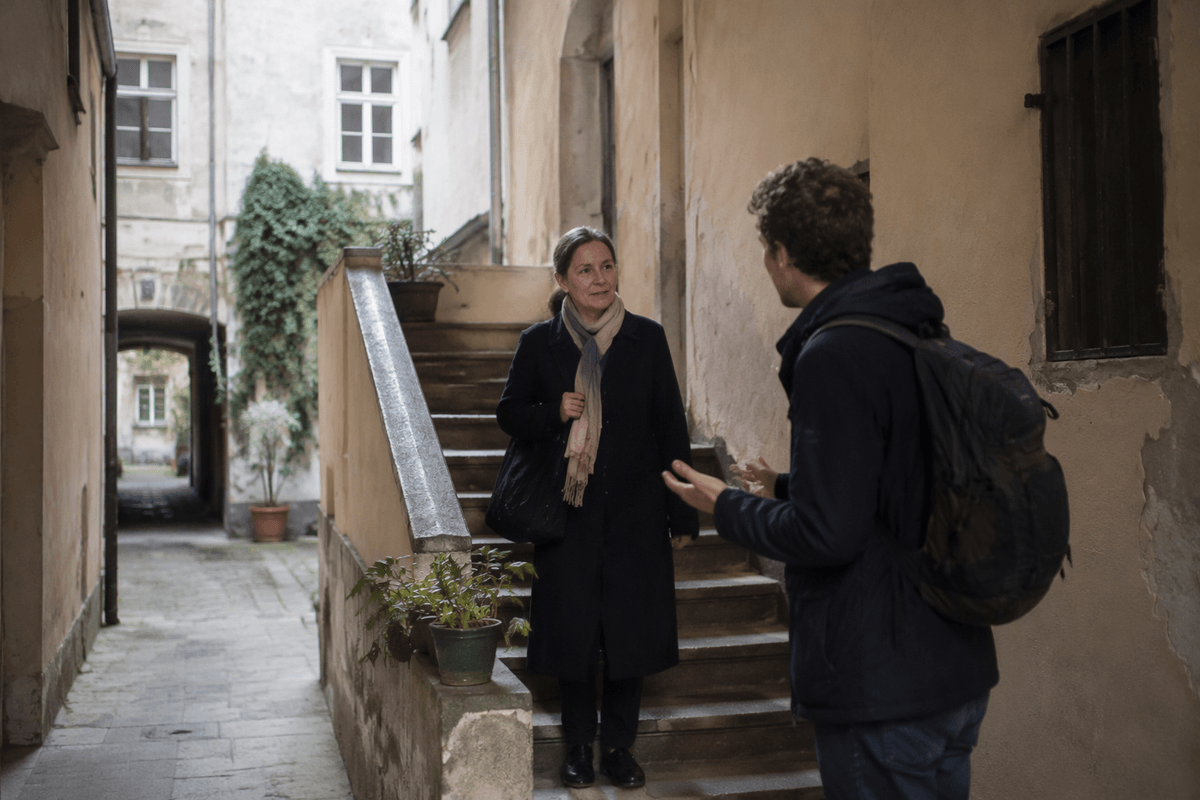
Authenticity here is mostly etiquette: keep your voice down in courtyards and stairwells, don’t treat residential gates like attractions, and in pubs, don’t camp on a table if you’re only nursing one drink. Book anything with a fixed start time (workshops, smaller gigs, popular neighborhood pubs on weekends) a day or two ahead; walk-ins are possible, but “possible” often means a 9:30 slot you won’t want. If you have to choose, reserve the one thing you’d regret missing and leave the rest flexible for weather and fatigue.
Closing: balancing classics with truly local Prague
The last day, I stopped trying to “solve” Prague—because that’s when the city finally felt cooperative. The classics still matter (you didn’t come all this way to skip the river bends and spires), but they work best as anchors, not an all-day circuit. Put one headline sight in the morning when you’re freshest and crowds are thinner, then spend your best social hours in one neighborhood where people actually linger.
If you’re deciding what’s worth the detour, use a blunt filter: will this add a new texture to the trip, or just a quieter version of something you’ve already seen? Vinohrady is the easy “normal-life” win; Letná or Holešovice is the better bet if you want contemporary Prague, with the trade-off of more walking between payoffs. And if your plan collapses—rain, sore feet, missed reservation—default to the simplest local move: a bakery stop, one calm viewpoint, one unscenic pub near where you already are. In Prague, efficiency is often what makes “authentic” possible.