Kyoto beyond temples: resetting expectations
The first time I tried to “do Kyoto properly,” I treated temples like checklist items—two before lunch, one before sunset. By the second gate line, it was obvious: the bottleneck isn’t your enthusiasm, it’s transit time, opening hours, and crowd flow that turns a 40-minute visit into a half-day commitment.
Resetting expectations helps. Temples are still worth it, but they’re the high-friction layer of Kyoto: beautiful, popular, and oddly tiring. The better trip usually comes from pairing one major temple block per day with lower-effort wins—walking neighborhoods between stops, a market meal that replaces a sit-down lunch, a riverside stretch that costs nothing, or a workshop that anchors your afternoon when your feet tap out. The goal isn’t “more sights,” it’s less backtracking and more texture.
Neighborhood life: alleys, machiya, local markets
I felt the shift in Kyoto the moment I stopped chasing the next landmark and started following the gaps between them—narrow lanes in Gion and Higashiyama where the city gets quieter by half a block. This is where machiya storefronts, tiny courtyards, and “open if someone’s inside” shops do more for your sense of place than another entrance fee. The trade-off is that it’s not efficient sightseeing: you’ll walk more for fewer “named” stops, and a lot of what looks promising closes early or doesn’t photograph well from the street.
For a reliable dose of everyday Kyoto without overplanning, aim for one market window and let it replace a meal. Nishiki Market is convenient and snackable, but it can feel like a moving sidewalk at peak hours—better as a late-morning graze than a noon crush. If you’re staying near Kyoto Station, the win is choosing a local shopping street or smaller market run closer to your route, even if it’s less famous; you’ll spend less time transiting and more time actually wandering. If the lane is getting crowded, turn once—Kyoto rewards the first side street.
Food Kyoto does best: from kaiseki to cafés
The first night, I hovered over a kaiseki booking like it was a moral decision: commit to a long, expensive meal, or keep things flexible and eat “well enough” on the fly. Kyoto does reward the splurge, but it also punishes bad timing—many of the places you actually want either require reservations, start early, or leave you staring at a closed noren if you wander in at 8:30 p.m.
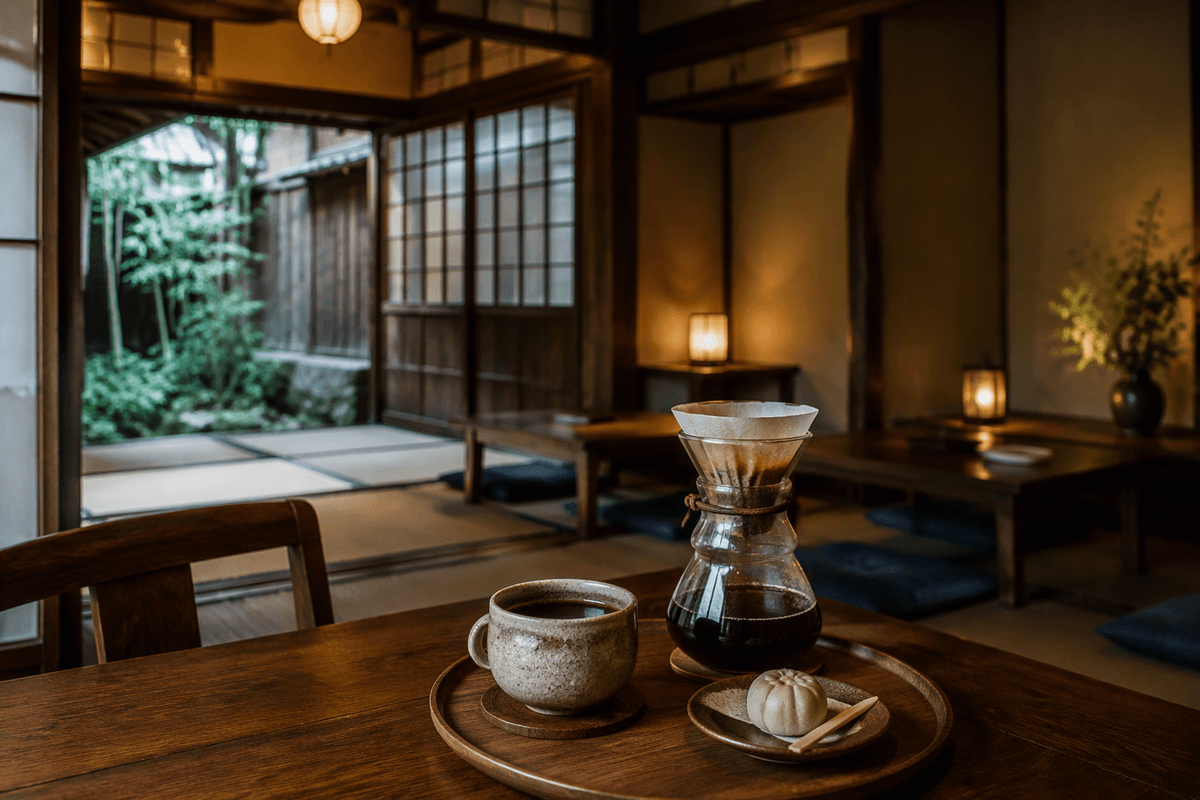
If you do one formal meal, treat it as an anchor, not a bonus. A lunch kaiseki is often the cleaner trade-off for a mid-range trip: similar craft, less sticker shock, and it doesn’t steal your whole evening when your legs are already done. For the rest, Kyoto’s daily wins are quieter: tofu and yuba dishes that feel “Kyoto” without being heavy, a proper coffee stop in a machiya-style café when the temple pace catches up, and department store basement food halls when decision fatigue hits. The only thing that didn’t work for me was trying to make Nishiki my main meal—too much standing, too little reset—better as snacks, then sit down somewhere one street away.
Living arts: tea, crafts, performances, hands-on classes
I almost skipped “cultural experiences” because they sounded like tourist traps—until I realized they solve a real Kyoto problem: what to do when temples are either packed, closed, or you’re simply out of walking stamina. A short tea experience works best when it’s close to where you already are (Gion/Higashiyama is the obvious cluster), but the constraint is timing: many start on the hour, run longer than you think, and don’t love late arrivals. If your day is already slipping, pick a simpler tasting-style tea stop over a formal ceremony and keep your schedule intact.
For hands-on crafts, the value is clarity: one reservation, one address, one calm block of time. I had the best luck treating a workshop as an afternoon anchor after lunch, not a “quick add-on” between sights—pottery and dyeing rarely finish in 30 minutes, and some pieces require later pickup or shipping. In the evenings, small performances can be a low-effort win, but seats and start times are less flexible than dinner, so plan it like a booking, not a backup.
Nature in the city: riversides, hills, seasonal color
One afternoon, I bailed on my “one more sight” plan and just followed the Kamo River south until my pace matched the water. It’s the simplest kind of Kyoto reset: wide banks, locals jogging and picnicking, and enough space to breathe even when the shopping streets feel like a funnel. The part that works is how frictionless it is—no tickets, no closing hours—though the trade-off is weather: in summer it’s humid, in winter the wind off the river makes short stops feel long.
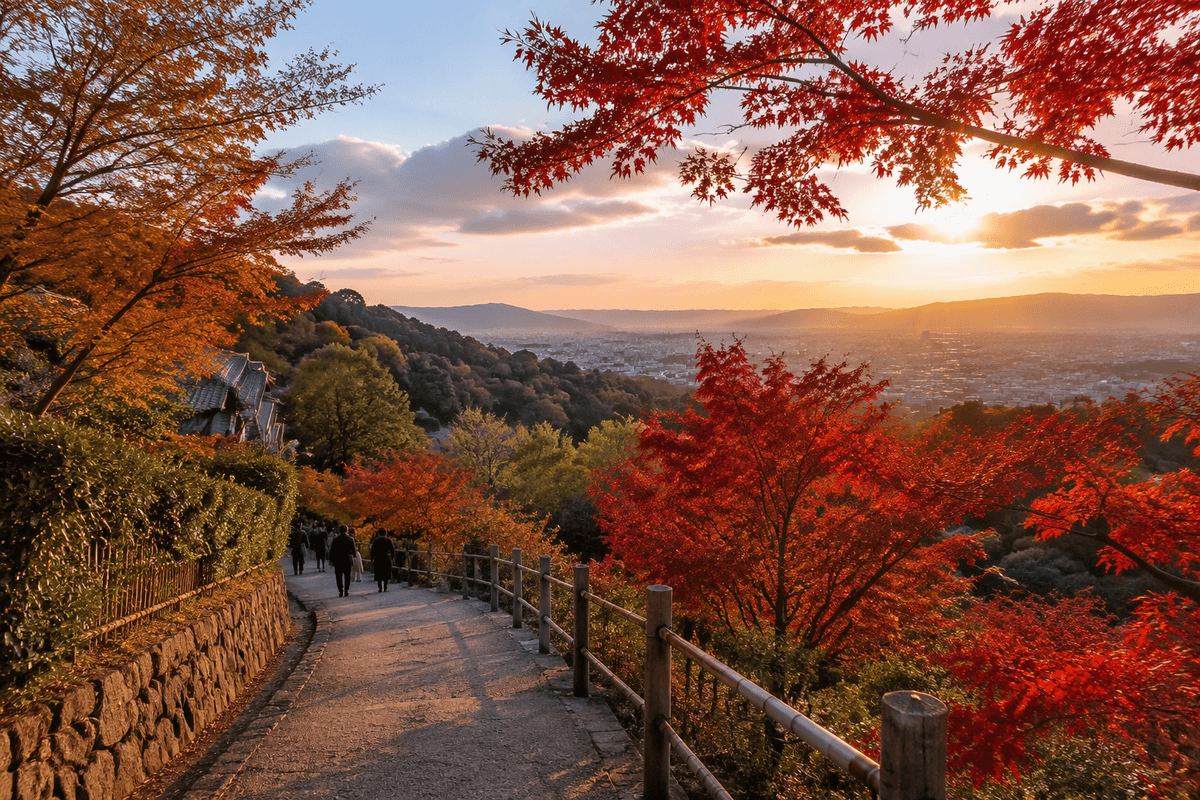
If you want elevation without committing to a full day trip, the eastern hills are the cleanest add-on from Gion/Higashiyama: a short climb buys you quieter paths and a different view of the city grid. The “short” still means stairs, uneven ground, and a noticeable energy cost if you’ve already done temples all morning. I found it works best as an early or late block—either before the crowds build, or toward sunset when you’re choosing between another queue and a walk that actually clears your head.
Seasonal color is the other variable worth treating like a strategy, not a bonus. Cherry blossom and fall foliage weeks can turn even open-air paths into slow-moving lanes, so the practical move is to aim for shoulder times (early morning, weekday late afternoon) and keep one flexible nature slot in your plan. When you hit it right, it’s the highest-value “sight” in Kyoto—because it doesn’t feel like one.
Practical wrap-up: trade-offs, pacing, and easy add-ons
On a 2–4 day Kyoto first trip, the plan that held up wasn’t “more temples,” it was managing friction: one major temple block per day, then spend your remaining bandwidth on things that don’t punish you for running late. The temples are the headline—but the payoff is you stop burning an hour every time you change neighborhoods, and you don’t end up choosing between dinner and your feet.
Practically, I’d group by sleep location. If you’re near Kyoto Station, lean into early starts and efficient loops, then come back for a food-hall dinner when your decision-making is gone. If you’re in Gion/Higashiyama, treat alleys, a tea stop, and a short hill walk as your “fillers” because they stack without transit. Easy add-ons that behave well: a Kamo River stretch at any hour, a café reset in the mid-afternoon lull, and one booked workshop as an energy-controlled anchor. The one thing I’d stop doing is forcing Nishiki at peak time—better to graze early, then sit down one street away and actually recover.