Choosing a Rio base: beach days vs city sights
My first Rio planning snag wasn’t which hostel looked nicest—it was realizing “close to everything” doesn’t exist here unless you’re willing to pay for it in time, money, or hill climbs. Beach days push you toward Copacabana, Ipanema, or Leblon, where you can actually pop back for sunscreen, a shower, or a nap without turning it into a project.
But if your list leans city sights—Centro museums, Sugarloaf access, a quick hop to Maracanã—those beach bases can quietly add up in transit, especially when you’re doing it twice a day. Late-night returns are the real constraint: the metro is great until it isn’t running, and a “cheap” dorm stops feeling cheap if you’re defaulting to rideshares every evening.
Copacabana: convenience, transit links, mixed vibe
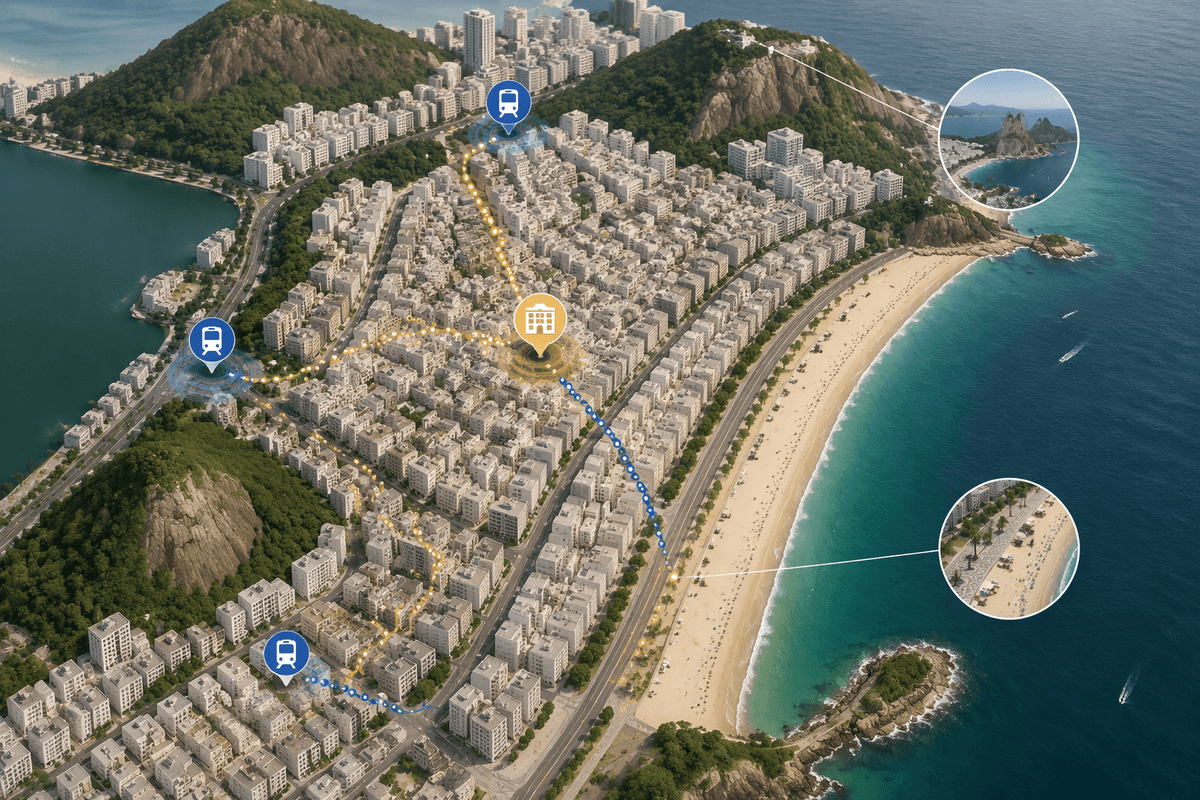
The first time I stayed in Copacabana, the “win” was how little thinking it required: I could be on the sand in minutes, duck back to the hostel between midday heat and sunset, and still make a museum day happen without losing half my morning.
Transit is Copacabana’s biggest practical advantage. If you’re within an easy walk of a metro stop (Cardeal Arcoverde, Siqueira Campos, or Cantagalo), you can move fast to Centro and connect onward without feeling trapped in beach-only mode. The “close” on a map can mean a noisy main avenue or a longer, sweatier walk inland with a backpack.
Vibe-wise, it’s mixed: convenient and busy, but not always relaxing. Some blocks feel fine all day and slightly tense late at night, which is when people quietly switch from metro to rideshare—budget that in if you’re planning dinners and bars beyond your neighborhood.
Ipanema/Leblon: upscale, walkable, pricier dorms
I hesitated over Ipanema and Leblon because the math looks simple—prettier, calmer, more walkable—but the nightly price jump is real, especially for dorms that still book out fast in peak weeks.
When it works, it’s effortless: flat streets, quick beach access, and you can string together breakfast, a sunset walk, and dinner without planning your life around transit. Leblon feels even quieter than Ipanema, which is great for sleep, less great if you want that “step outside and find a cheap bite” energy. You’re paying for ease—and you’re a bit farther from the grittier, more practical transit web that makes Centro days painless.
My deciding factor here is the return at night: if you’re walking home from bars in Ipanema it can feel straightforward on busy streets, but if your hostel is inland or you’re coming back late from Lapa, you may default to rideshare anyway. If your trip is beach-forward and you can stomach fewer bargain meals, this base feels like a treat; if you’re optimizing for museum mornings and cheap dinners, it’s harder to justify.
Botafogo/Flamengo: central access, bayside, strong transport
I started considering Botafogo after mapping out two seemingly simple days: visiting Sugarloaf Mountain one morning and exploring Centro the next. Staying deep in the beach districts would mean crossing much of the city for both outings. Botafogo and Flamengo offer a more practical base for an itinerary that mixes sightseeing with time by the water. Their metro connections make early departures and evening returns easier, without turning every attraction into a lengthy journey.
Both neighborhoods provide convenient access to different parts of Rio. Copacabana is only a short metro ride away, making beach afternoons easy to arrange, while central sights, museums, and Maracanã are more accessible than from some coastal areas. Flamengo also has pleasant bayside paths for walking and running, with a calmer atmosphere than the busy beach strip. The main compromise becomes clear on hot days: reaching the ocean for a quick swim requires another metro ride or rideshare rather than a short walk from the hotel.
Pay close attention to the exact location when booking. Staying within easy walking distance of a metro station matters more than being close to the waterfront, particularly when sightseeing involves several different districts. Check the surrounding streets and transport options for late-night returns as well, since some routes become quieter after dark. For a four-to-seven-day trip combining beaches with city attractions, Botafogo or Flamengo offers a convenient balance. Beach visits require slightly more planning, but daily sightseeing becomes much easier to manage.
Santa Teresa/Lapa: culture, nightlife, safety trade-offs
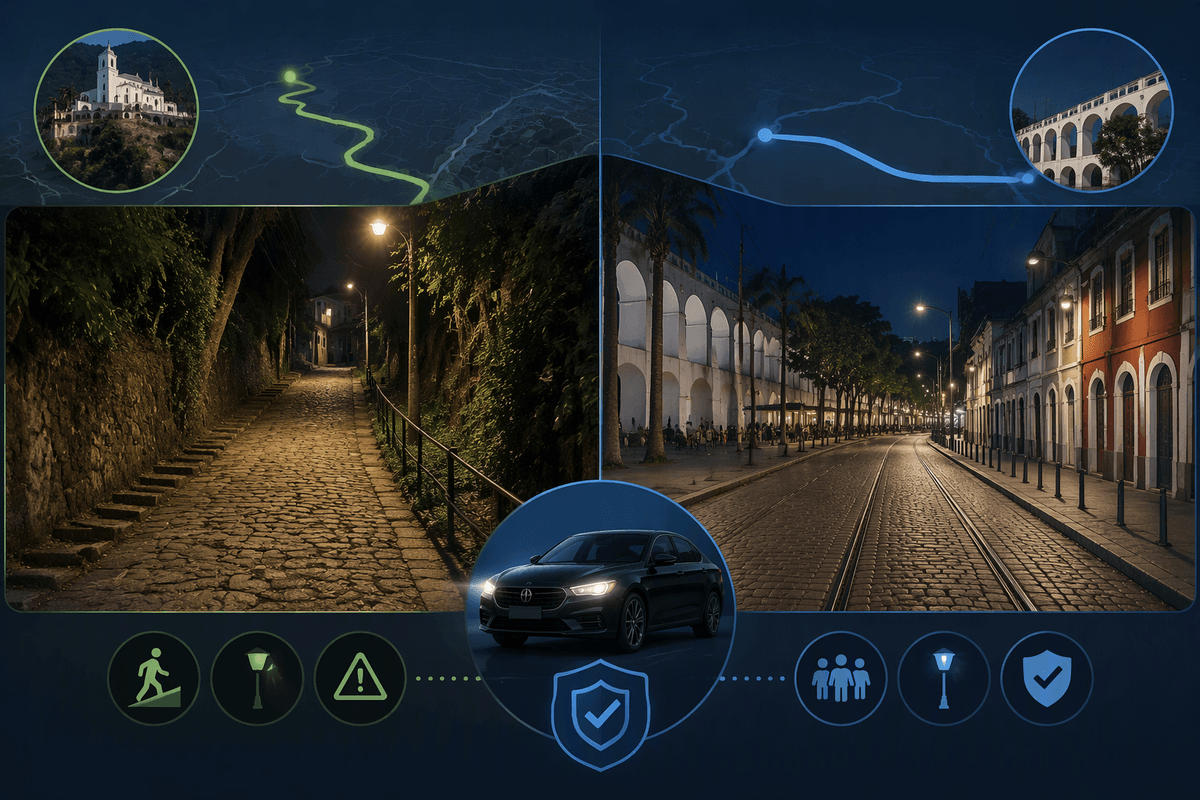
I only penciled in Santa Teresa and Lapa after realizing my “culture nights” were stacking up: live music, late dinners, and the kind of wandering that doesn’t fit neatly into a beach-neighborhood schedule. On paper, it’s perfect—historic streets, bars, and that classic Rio atmosphere—but the friction shows up fast once you map the return trip to a hostel on a hill.
Santa Teresa can feel like a retreat above the noise, which is great when you want sleep after a long day, but the climbs (and the time they add) are real—especially if you’re heading back midday in heat or carrying groceries. Lapa is flatter and more plug-and-play for nightlife, but it’s louder, messier, and the safety trade-off is harder to ignore when you’re walking after midnight. In both areas, I’d plan on rideshare as your default late-night transport, and I wouldn’t pretend you’re “close to the beach” in a way that makes quick sand breaks realistic.
How to pick a hostel: safety, noise, commute
The practical hostel decision usually hits when you’re staring at two pins that look equally “near the beach”—until you check the walk: is it a flat 8 minutes, or a 15-minute inland haul past big roads that you won’t love doing at 1:00 a.m.? I started filtering listings by what I’d actually repeat daily: distance to a metro station (not just “near”), whether I could reach sand without crossing a sketchy-feeling stretch, and if the return route still made sense after the metro stops running.
Then I look for the deal-breakers that don’t show up in photos: noise and sleep. In Copacabana or Lapa, being “central” can mean bus horns, bar spillover, and dorms that never really power down; in Ipanema/Leblon, quiet can cost more and sell out faster. My rule: if you’re planning early starts (Sugarloaf, Centro, day trips), pay for the easiest commute you can—because the “cheaper” bed gets expensive when you’re burned out and taking rideshares by default.