The Charge Looks Wrong, but the Account Seems Fine
The alert arrives while the account still looks ordinary: the balance is familiar, recent purchases are yours, and no password or contact details have changed. Then one transaction stands out. Its amount may be small, the merchant name unfamiliar, or the posting date later than expected. That combination creates a difficult pause. Ignoring it could allow a real compromise to continue, while disputing it immediately may complicate a legitimate purchase, subscription, or pending authorization. The safest first reaction is neither panic nor dismissal. Treat the charge as unresolved evidence, then examine what the transaction actually represents before choosing the next move.
A strange charge is not yet proof of fraud. Timing, merchant wording, and account activity will determine how seriously to treat it.
Start With the Details Behind the Transaction
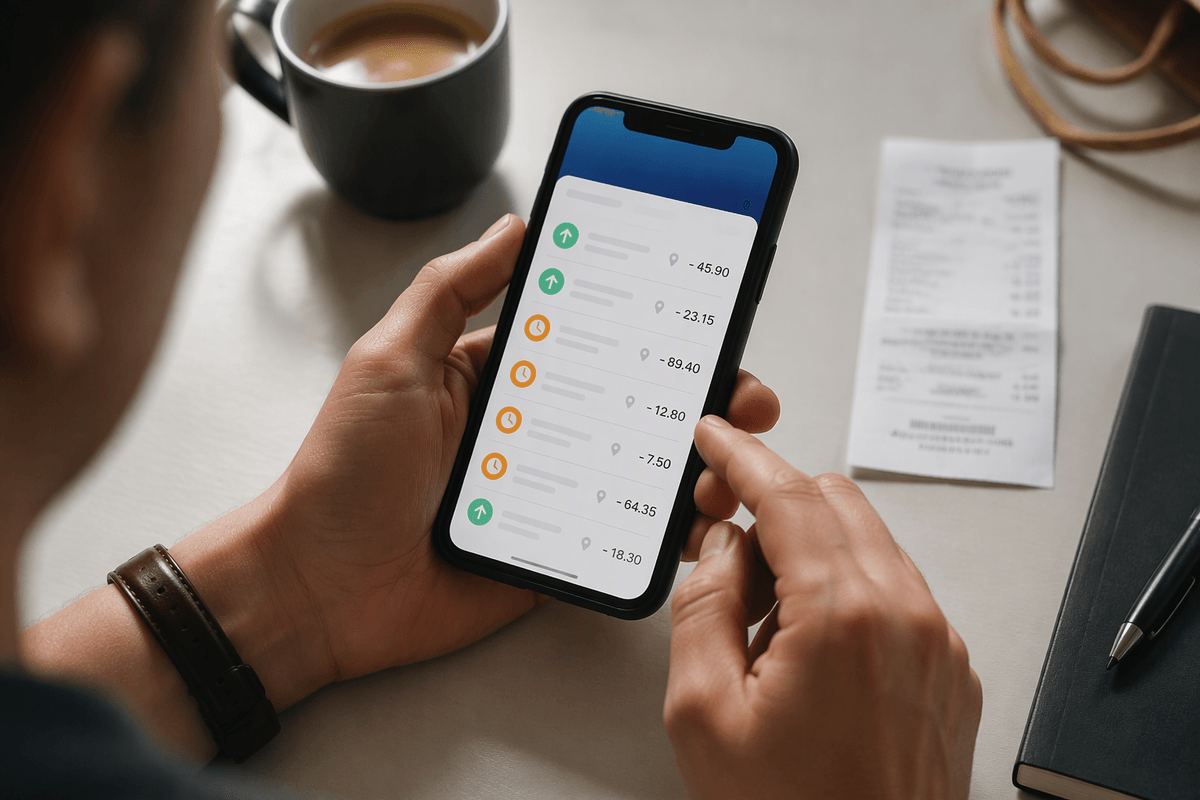
Begin with the transaction record, not the merchant name alone. Open the charge and compare the amount, posting date, purchase date, location, and any note showing whether it is pending or completed. A payment may appear days after the purchase, especially with hotels, restaurants, rental agencies, or online orders. A small temporary authorization can also be replaced by a final amount, leaving both entries visible for a short time. Treating each line as a separate unauthorized purchase can lead to an unnecessary dispute.
Next, match the details against less obvious activity. The descriptor may belong to a parent company, payment processor, delivery service, or marketplace rather than the business visited. Check email receipts, digital wallets, app subscriptions, household purchases, and transactions made by an authorized user. Recurring charges deserve special attention because a forgotten trial or annual renewal can look unfamiliar without being fraudulent. The timing matters too: a charge that follows a recent order or subscription change has a different explanation from one appearing alongside several unrelated transactions.
Record what the account shows before contacting anyone. That brief check can prevent a legitimate charge from being challenged, while a mismatch across amount, timing, and purchase history gives stronger grounds for escalation.
Several Familiar Charges Masquerade as Fraud
Some of the most convincing false alarms come from charges that are technically familiar but displayed differently than expected. A restaurant may bill through its parent company, a delivery order may show the payment processor, and a marketplace purchase may list the seller’s legal name instead of the storefront. Even the amount can shift when a tip, currency conversion, tax, or final hotel hold is added. Before treating the difference as theft, compare the transaction with receipts and the services used around that date.
Subscriptions create another trap. A free trial can convert months later, an annual plan may renew under a shortened descriptor, or a family member may use a saved card without mentioning it. Digital wallets can add another layer when the statement shows the wallet operator rather than the merchant. These explanations are common, but they are not automatic excuses. If nobody recognizes the purchase, the timing does not fit, or the amount exceeds what was authorized, the account deserves closer attention.
The practical distinction is whether the charge has a credible trail. One confusing entry tied to a recent order may call for merchant contact or monitoring. Several unfamiliar charges, especially from unrelated businesses, suggest that waiting could increase the eventual loss.
Warning Signs Mean the Risk Has Changed
The balance of evidence changes when the charge stops looking isolated. Multiple unfamiliar transactions, repeated small test charges, or purchases from businesses in different locations point to possible card exposure rather than a confusing descriptor. Risk rises further when activity continues after the card was last used, appears while the card is in your possession, or includes attempts to change contact details, add a digital wallet, or reset account access. A fraudster may begin with a low-dollar transaction because it attracts less attention.
Timing also matters. A single charge linked to a recent order can wait briefly while the merchant or card issuer clarifies it. A second unknown charge posted within hours, a cash advance, a large online purchase, or a transaction outside your normal spending pattern deserves faster action. Waiting for the statement to close can create additional exposure, and replacing the card may interrupt subscriptions or scheduled payments. The right response depends on both the strength of the warning signs and the likely cost of delay.
At that point, monitoring alone is no longer a neutral choice. Contacting the issuer, locking the card, or disputing the transaction becomes reasonable because the account may have moved from unexplained activity to active risk.
Choose Contact, Dispute, or Immediate Card Controls
Once the pattern looks risky, choose the response that limits further exposure without creating avoidable confusion. Contact the merchant when the charge appears tied to a real purchase but the amount, descriptor, or billing timing is wrong. Ask for the order record, refund status, or explanation in writing, and keep the receipt or message. A merchant conversation is less useful when several unrelated charges are appearing or the business cannot identify the transaction.
Use the card issuer’s dispute process when the purchase remains unauthorized after checking the account details, especially if the charge has posted and the merchant cannot resolve it. Describe what was checked and when the issue was noticed; vague explanations can slow review. Immediate card controls fit a higher-risk pattern: lock the card in the app, call the issuer, replace the card if advised, and review digital-wallet access and recent account changes. A lock may not stop every pending transaction, and replacing the card can interrupt automatic payments, so note which legitimate bills may need updating. When evidence is mixed, a temporary lock plus prompt issuer contact often protects the account while the transaction is clarified.
Keep Watching After the First Resolution
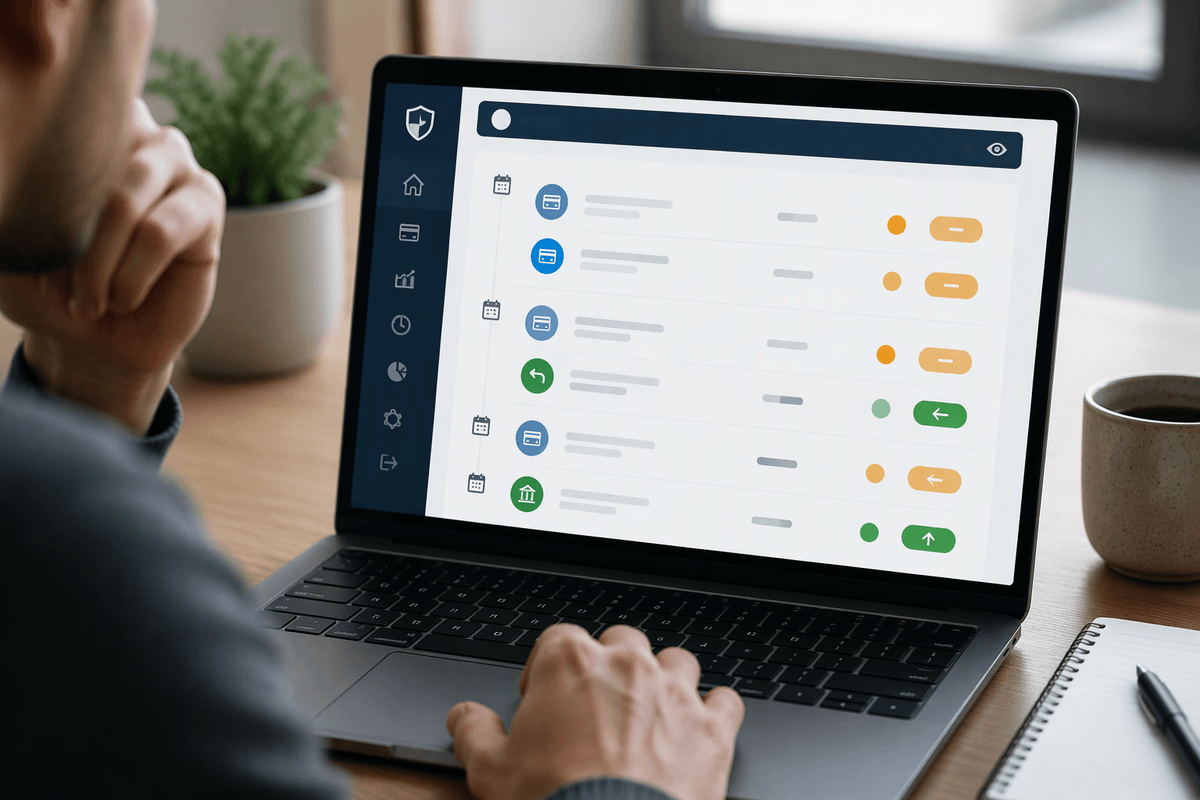
Resolution does not end the review. Check the account again over the next several days for new authorizations, replacement-card activity, recurring charges, or transactions that were pending when the first issue was reported. A credit may also take time to appear, and a reversed charge may return if the merchant resubmits it. Keep the dispute number, merchant messages, and dates together so a second contact does not restart the explanation.
If unfamiliar activity continues, stop treating each charge as a separate mystery. Recontact the issuer, confirm whether the card details or digital wallet remain exposed, and review account access. The first explanation may have been correct, but the later pattern determines whether the risk was actually contained.
A Calm Sequence Prevents Both Costly Mistakes
The most reliable response is a sequence, not a single decision. First confirm the amount, timing, status, and merchant trail. Then check whether the activity fits a purchase, renewal, or authorized user. If it does, contact the merchant or monitor the account. If it does not, or new charges appear, use the issuer’s controls and dispute process without waiting for the balance to grow. Each step reduces a different risk: an unnecessary dispute, continued card exposure, or a missed refund.
That order also leaves a useful record of what happened and when. The charge may still turn out to be a billing error, but the account is no longer being judged by guesswork. Evidence narrows the choice, and timely controls keep uncertainty from becoming a larger loss.