Planning Your Mexico City Walk
Start with one compact district rather than trying to cross the city on foot. Centro Histórico works well in the morning, when plazas and major sights are easier to navigate, while Roma and Condesa offer a more relaxed afternoon route with cafés and neighborhood markets. Check market hours before committing; some stalls wind down early, and Sunday crowds can make short distances feel slow.
Plan one substantial walking route, then mark a Metro or rideshare backup for the return. This matters more than squeezing in another neighborhood: heat, uneven sidewalks, and unexpected closures can quickly turn a planned market visit into an exhausting detour.
Centro Histórico: Plazas, Palaces, and Street Life
Begin at the Zócalo before late-morning crowds build, then walk west toward the Palacio de Bellas Artes through streets lined with colonial façades, museums, and working shops. The route is compact, but sightseeing stops make it easy to underestimate the time and energy involved.
For a market connection, continue toward Mercado de San Juan if you want specialty ingredients and a more orderly indoor experience. Mercado de la Ciudadela is better for crafts but requires a longer detour, making it less practical on a short first visit. If heat, crowds, or tired legs intervene, use the Metro rather than forcing the final stretch; Centro’s landmarks are rewarding, but the busiest sidewalks can make a simple walk surprisingly slow.
Roma and Condesa: Architecture and Everyday Markets
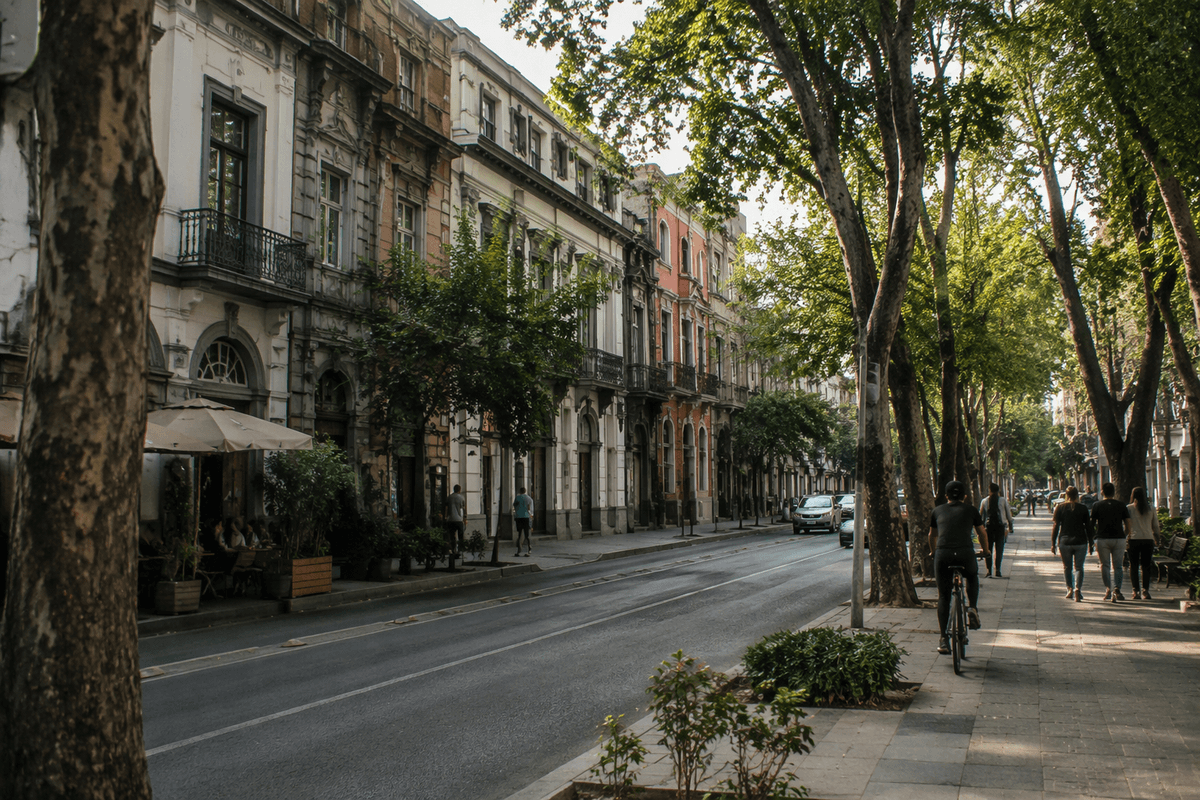
Roma and Condesa suit a slower second route, especially after the density of Centro. Start near Avenida Álvaro Obregón, then follow tree-lined streets toward Parque México, comparing Roma’s older façades with Condesa’s Art Deco corners and quieter residential blocks. The distance is manageable, but café stops and uneven sidewalks can turn a short walk into half a day.
For everyday market atmosphere, try Mercado Medellín in Roma, where produce, snacks, and prepared food feel more local than curated. It works best around lunchtime, though aisles become crowded and seating is limited. If rain or fatigue arrives, finish in Condesa and use Metro or a rideshare rather than adding another neighborhood.
Coyoacán: Colonial Streets and Market Flavors
Coyoacán works best as a half-day route rather than an add-on to Roma or Centro. Begin around the main plaza and colonial streets, then continue toward Mercado de Coyoacán for tostadas, juices, and snack stalls. The area feels more spacious and residential than Centro, but its popularity means weekends can bring slow-moving crowds and limited seating.
Arrive before lunchtime if you want easier market navigation; later visits offer more energy but make a quick meal less predictable. The neighborhood is walkable once you arrive, though reaching it from central districts takes time. If your schedule is tight, use the Metro or a rideshare both ways instead of combining Coyoacán with another distant market.
Tepito and La Merced: Markets Beyond Tourist Routes
Tepito and La Merced require more planning than the central markets because the experience changes sharply by time of day, crowd level, and exact route. La Merced is the more practical choice for first-time visitors: go in the morning for produce, food stalls, and intense but navigable activity, before heat and congestion peak. Tepito offers a rougher, more specialized street-market atmosphere, but it is less suitable for casual wandering or a rushed itinerary; stay focused, avoid displaying valuables, and consider going with local guidance.
Do not treat either market as a simple extension of the Zócalo walk. La Merced is reachable from Centro, but the distance and crowded streets can drain energy faster than expected. Tepito is better approached by Metro or rideshare, with a clear return plan. If the atmosphere feels overwhelming, leave rather than forcing the route; these markets reward attentive timing more than covering every block.
Choosing Routes for Your Travel Style
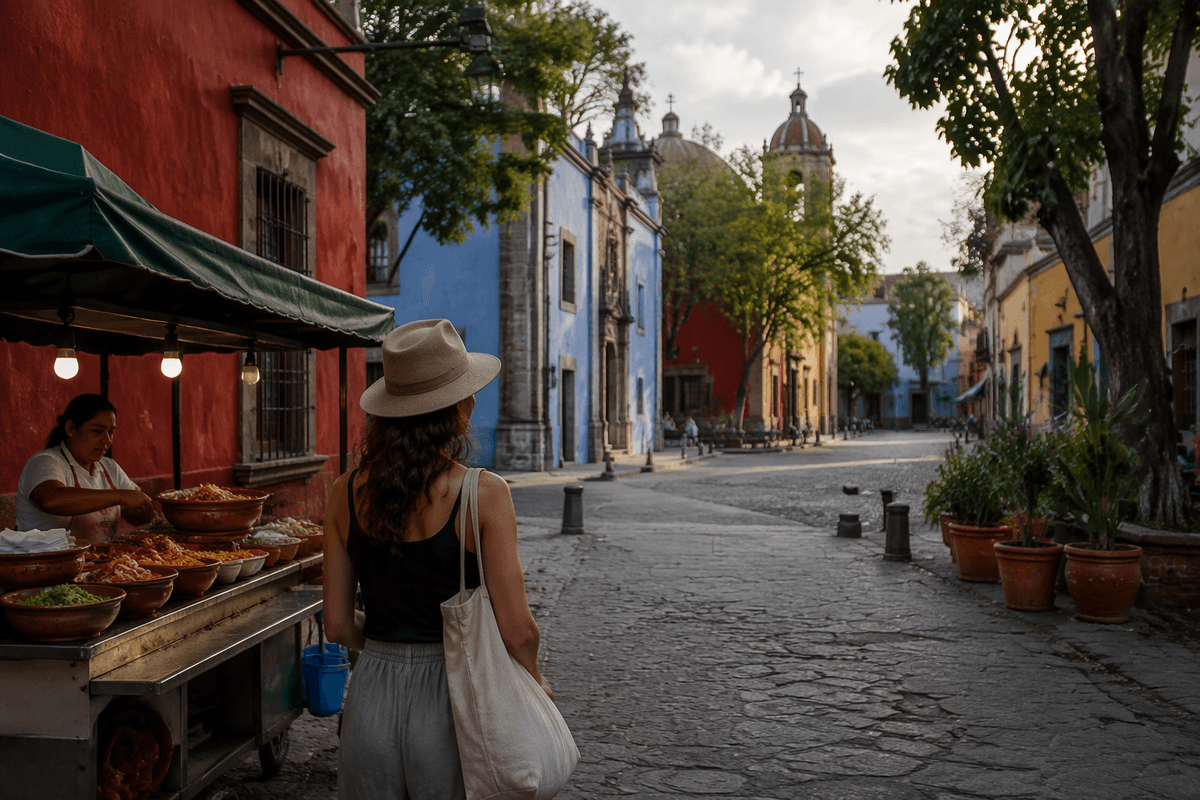
If you prefer landmarks and shorter distances, pair Centro with La Merced in one morning, using the Metro when the market streets become tiring. For a slower, food-focused day, choose Coyoacán alone and arrive early enough to avoid weekend congestion. Roma and Condesa suit travelers who want flexibility: cafés and parks provide easy pauses, though the route offers less concentrated historic sightseeing.
Match the route to your energy, not just the map. Tepito deserves a focused visit with a clear exit plan, while distant neighborhoods are better handled by transit both ways. Keeping one backup option—Metro, rideshare, or an earlier finish—makes the itinerary more resilient when crowds, heat, or market hours change.
Making the Walk Comfortable and Memorable
By the final hour, the best plan may be to stop rather than add one more market. Comfortable shoes, water, a charged phone, and small cash matter more than covering every street, especially when heat or crowds slow the route.
Leave room for an unplanned meal or quiet plaza. A walk feels memorable when its pace fits your energy, not when the map is completely checked off.