Why Kidney Health Changes Food Priorities
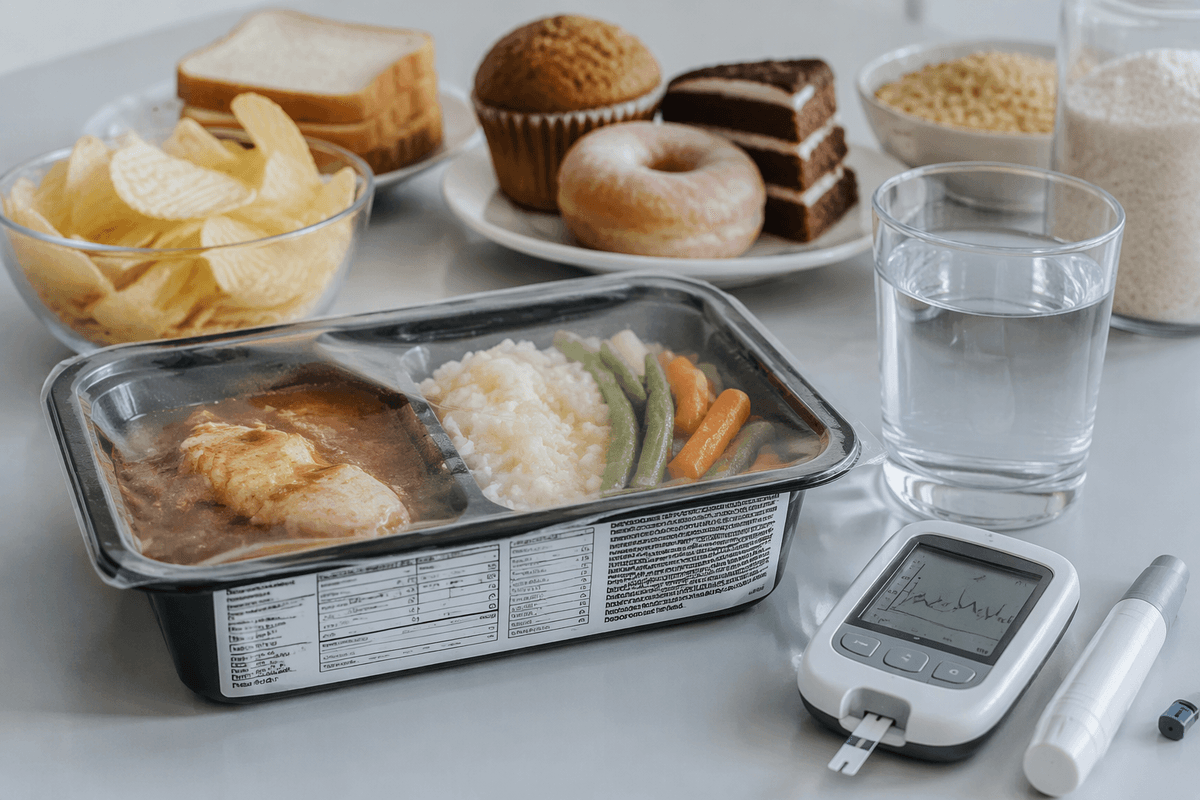
A salty meal can leave you feeling thirsty, slightly puffy, or simply aware that you have been reaching for water more often. That moment does not explain kidney function by itself, but repeated patterns can change what the kidneys have to manage. Frequent high-sodium or highly processed meals may also contribute to shifts in blood pressure, while uneven eating and drinking habits can affect blood-sugar control and daily energy. These connections are practical rather than automatic; the same meal pattern may matter differently depending on a person’s health, medications, and existing kidney function.
This is why food priorities may change when kidney health becomes a concern. The focus is not usually on judging one meal or reacting to a single lab result. It is on noticing what happens repeatedly: meals that leave you unusually thirsty, long gaps without fluids, regular reliance on packaged foods, or health markers that gradually move in an unfavorable direction. Those patterns provide more useful context than any isolated symptom, craving, or day of eating.
The Everyday Pattern Behind Kidney-Friendly Eating
By the end of a busy day, the pattern can be easier to notice than any single ingredient. Breakfast may be skipped, lunch may come from a drive-through, and dinner may rely on packaged foods because they are quick. Water intake can be uneven too—very little during work, followed by several glasses at night. None of these choices automatically indicates a problem, but repeated combinations may increase sodium intake, make blood pressure harder to manage, or complicate blood-sugar control.
Kidney-friendly eating often becomes less about finding one perfect food and more about making the overall pattern steadier. A meal that includes fewer heavily processed items may still fit differently depending on portion size, fluid needs, medications, and current lab results. Thirst, swelling, fatigue, or a change in blood pressure can provide useful observations, but they are not reliable explanations on their own. The practical challenge is separating a lasting pattern from an occasional disruption, then discussing meaningful changes with a healthcare professional rather than treating one meal or symptom as the complete story.
Building Meals Around More Than Restrictions
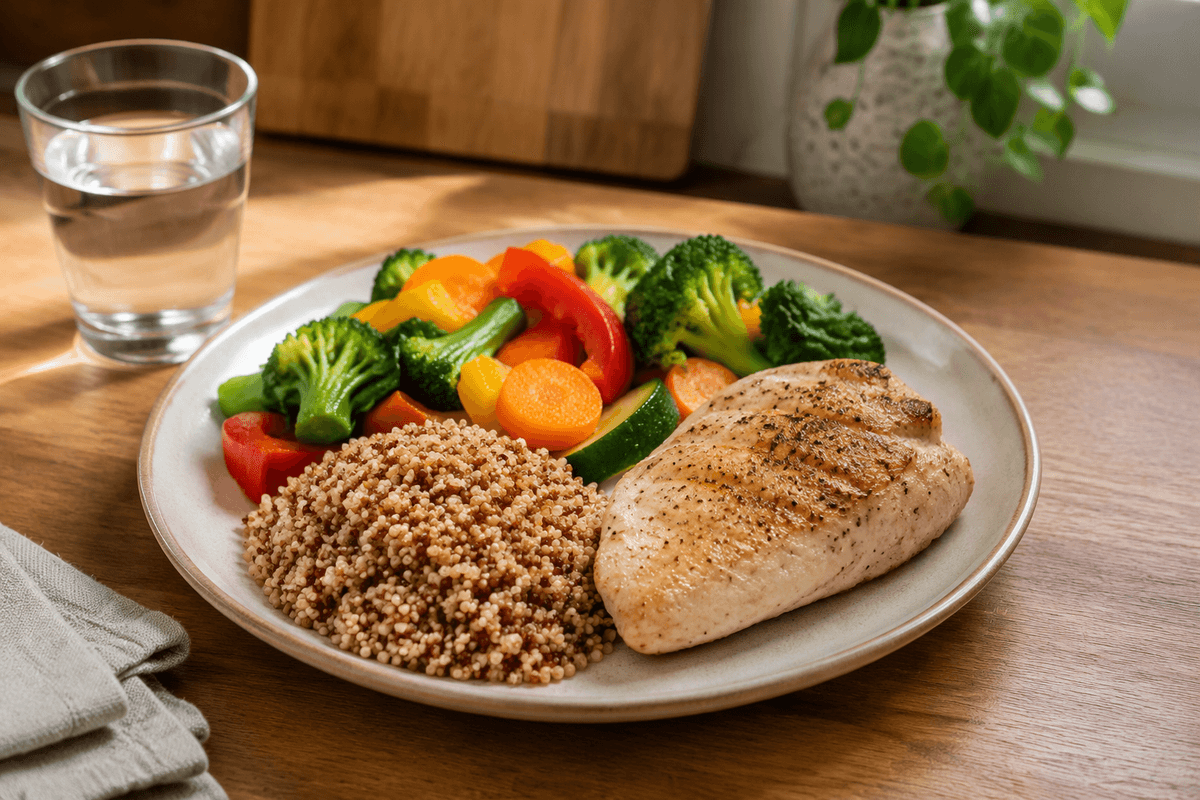
The plate can feel unusually narrow when every food choice is viewed as a possible restriction. A person may remove salty snacks, limit packaged meals, and become cautious about drinking, yet still be unsure what a satisfying meal should contain. That uncertainty can make eating feel inconsistent: one day brings careful planning, while the next relies on whatever is easiest. The goal is not to create a perfect menu, but to notice how the main parts of a meal work together.
For many people, that means considering the balance of the meal, its portion, and how often similar choices appear during the week. A simple meal may be easier to adjust than a heavily processed one because its ingredients and salt content are more visible. Hydration also belongs in the larger pattern, although fluid needs can vary, especially when kidney function, heart health, or medications are involved. A meal that seems “healthy” in general may not fit every person’s needs, and a less ideal choice does not erase steady habits. Looking at meals as repeatable patterns makes room for nourishment, enjoyment, and practical limits without turning every bite into a test.
When Healthy Choices Create New Uncertainty
After making several “better” choices, you may still notice that the numbers or symptoms do not change in a clear direction. You drink more water, choose fresh foods, and cut back on salty meals, yet blood pressure may vary or a lab result may look different at the next visit. That can make healthy eating feel unreliable. In reality, kidney-related changes are influenced by more than one meal pattern, including medications, existing conditions, activity, illness, and how much kidney function has already changed.
It is also easy to overcorrect. Avoiding fluids because of swelling, or removing many foods without a clear reason, may create fatigue, frustration, or meals that are difficult to maintain. A single episode of thirst, puffiness, or an unusual result rarely identifies the cause. More useful clues come from repeated observations: what you ate and drank, how often symptoms appeared, and whether blood pressure or blood-sugar readings changed over time. When those details are shared with a healthcare professional, they can help separate a temporary disruption from a pattern that deserves closer attention.
Why Packaged Foods Can Be Harder To Read
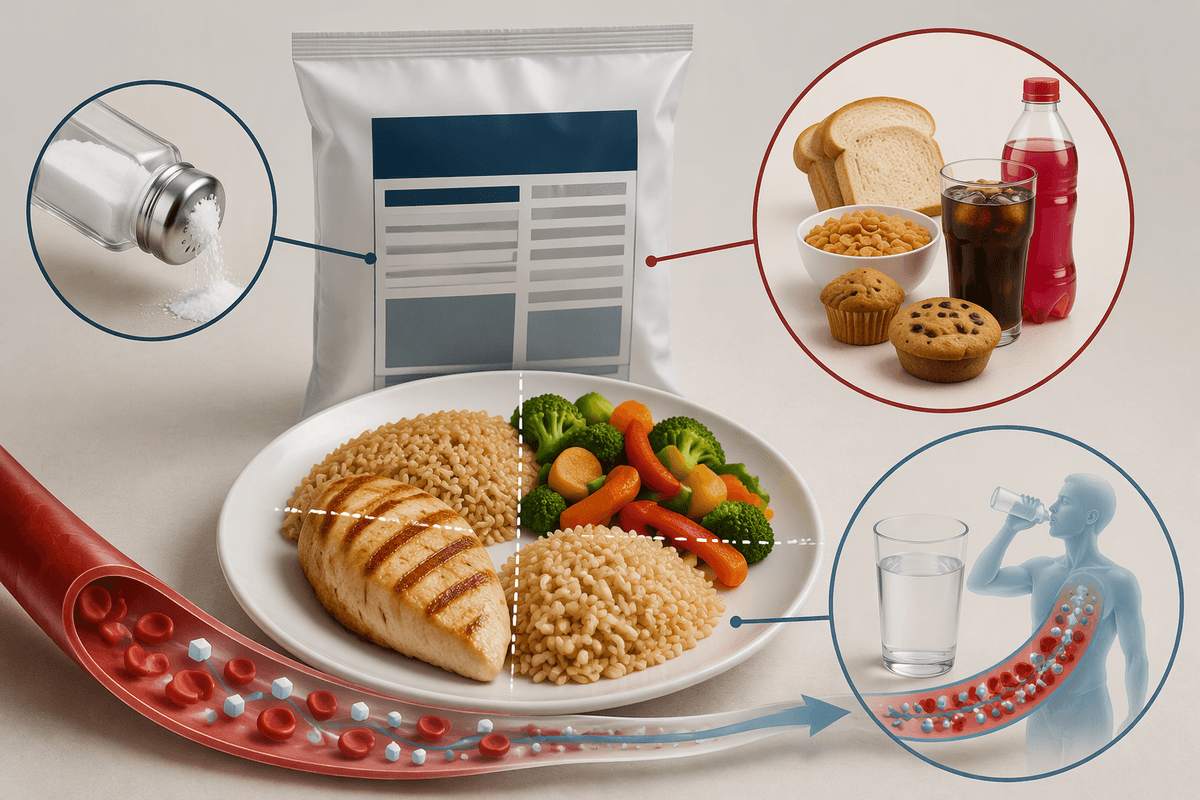
The label may look straightforward until sodium, serving sizes, and ingredient names begin competing for attention. A frozen meal, canned soup, or snack can appear moderate in salt when the package contains more than one serving, while ingredients such as sauces, broths, and seasoning blends add sodium in less obvious ways. “Reduced sodium” also describes a comparison with the regular version, not necessarily a food that fits every person’s needs.
Packaged foods can also make hydration and blood-sugar patterns harder to interpret. A meal high in sodium may leave you thirsty later, while refined carbohydrates or sweetened drinks may affect energy and glucose readings. These effects are not always immediate or consistent, and one label rarely explains a symptom or lab change. Reading the serving size, sodium amount, and broader ingredient list together gives a more useful picture than relying on front-of-package claims alone.
Adjusting Food Habits Without Losing Consistency
After reading a few labels more carefully, the next challenge is keeping those changes realistic. Replacing every familiar meal at once may work for a few days, but it can become tiring when shopping, cooking, work schedules, or appetite change. A steadier approach may involve adjusting one repeated habit at a time, such as choosing a lower-sodium version of a regular food, preparing one simple meal at home, or keeping water available during the part of the day when drinking is often forgotten.
Consistency does not mean eating the same foods every day or responding perfectly to every health marker. It means making choices that can be repeated often enough to show a pattern. A restaurant meal, missed drink, or busy week may interrupt that pattern without canceling it. At the same time, changes in swelling, thirst, blood pressure, blood-sugar readings, or lab results should not automatically be blamed on one adjustment. Fluid limits, medication effects, and kidney function can change what is appropriate, so sustainable habits work best when they remain flexible and are reviewed with a healthcare professional.
Making Sense Of Individual Kidney Needs
A lab result can look like a clear answer, yet its meaning often depends on what was happening around it. A change may relate to hydration, recent illness, medications, blood pressure, blood-sugar control, or an ongoing shift in kidney function. The same food or fluid pattern may therefore be manageable for one person and unsuitable for another. This is why general advice can feel confusing when it does not match your own instructions or changing health markers.
Keeping a simple record may make those differences easier to discuss: note recurring meals, packaged foods, approximate fluid intake, blood-pressure or blood-sugar readings, and symptoms that continue rather than appear once. The record does not need to be perfect, and it should not replace medical guidance. Its value is in showing connections that are difficult to remember during an appointment. Kidney needs can also change over time, so a plan that once worked may require adjustment. One meal, thirsty evening, or unusual result rarely tells the whole story; the repeated pattern and the wider health picture usually provide better direction.