Plan Your Five Days in Oaxaca
Five days is enough for Oaxaca if you group nearby experiences rather than crossing the city repeatedly. Reserve one morning for Monte Albán, protect market days for Mercado Benito Juárez and Mercado 20 de Noviembre, and leave room for a slower meal.
Start early for major sights, when walking is cooler and crowds are lighter. Balance full walking days with neighborhood exploring, and check museum hours before committing; a closed attraction can disrupt a tightly packed itinerary.
Day One: Historic Center and Local Flavors
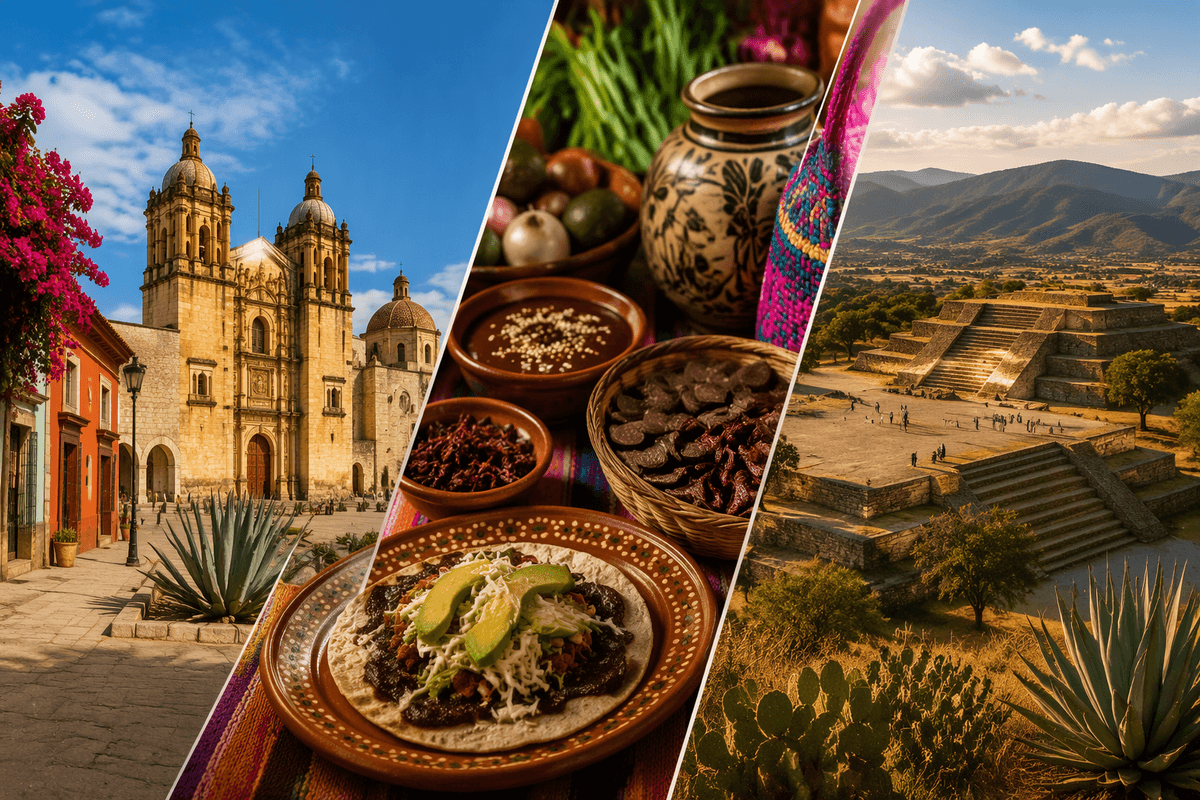
Begin in the historic center before the streets become crowded, walking from Santo Domingo to the Zócalo and nearby museums. The route is compact, but cobblestones, midday heat, and frequent stops make it slower than the map suggests, so avoid scheduling more than one major indoor attraction before lunch.
For food, use breakfast or an early lunch to try tejate, tamales, or a tlayuda near the central markets rather than saving everything for dinner. Mercado 20 de Noviembre is convenient for first-time visitors, though it can feel busy and tourist-oriented; smaller neighborhood eateries may cost less but require more time to find. Finish with a relaxed evening walk instead of adding a distant attraction.
Day Two: Markets and Traditional Cooking
Make Day Two the main focus of your food exploration, beginning at Mercado Benito Juárez before the morning crowds become too heavy. Arriving early gives you more room to browse the stalls, compare ingredients, and speak with vendors before the busiest hours. This market is a good place to explore Oaxaca’s everyday food culture, from dried chillies, spices, and locally made chocolate to mole pastes, fresh produce, cheese, and regional snacks. Take time to look beyond the larger displays, since smaller stalls often offer a closer glimpse of the ingredients used in local cooking.
Continue on foot to Mercado 20 de Noviembre, which is close enough to combine with the first market without arranging additional transport. Give yourself plenty of time, though, because the short walk does not reflect how long the visit may take. Narrow aisles, busy food counters, and the variety of dishes available make it tempting to stop repeatedly. The market is particularly known for its prepared food, grilled meats, and traditional Oaxacan meals. Smoke from the cooking areas, crowded seating, and constant activity add to the atmosphere, but the busiest sections may feel overwhelming after an extended visit. Rather than trying to sample everything, choose a few dishes that interest you and leave room for a relaxed meal later.
After the market visits, take a break before joining a traditional cooking class or settling in for a longer lunch. A cooking class offers more than another chance to taste local food. It provides an introduction to regional ingredients, preparation techniques, and the role of dishes such as mole in Oaxacan food culture. Depending on the class, activities may include preparing sauces, working with chillies and spices, or learning how different ingredients are combined. Check the duration and location in advance, since some classes occupy several hours or take place outside the historic center. Allow enough time for the journey rather than scheduling another major attraction immediately afterward.
When energy starts to fade, keep the afternoon flexible. A sit-down lunch at a traditional restaurant offers a slower alternative to another hands-on activity, while a nearby museum provides a change of pace without taking the day away from its culinary focus. You might also use the extra time to revisit a market stall, buy locally produced chocolate or spices, or enjoy a drink while observing the surrounding streets. The aim is to experience Oaxaca’s food culture at a comfortable pace, balancing market exploration, local flavors, and cooking traditions without making every stop feel like another item to complete.
Day Three: Monte Albán and Artisan Villages
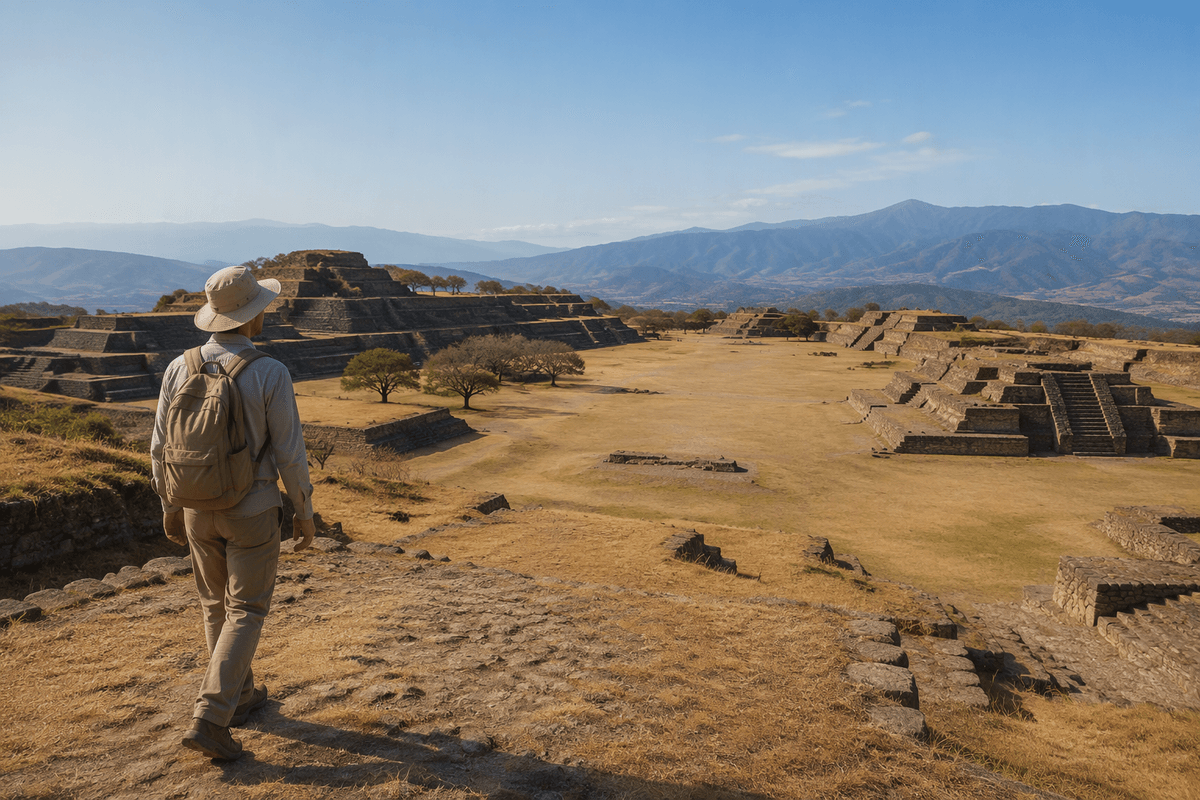
Leave early for Monte Albán, when the light is clearer, temperatures are lower, and tour groups are less concentrated. The site is not difficult to navigate, but exposed paths and limited shade make a long visit tiring, especially after several walking-heavy days. Arrange a taxi or shared tour rather than relying on infrequent public transport if your schedule is tight.
Return for lunch, then choose one artisan village instead of trying to cover several. Arrazola works well for alebrijes, while San Bartolo Coyotepec is better suited to black pottery; visiting both can mean more time in transit than exploring. Shops vary in atmosphere and pricing, so allow time to compare work without treating every stop as essential. If Monte Albán leaves you tired, return directly to Oaxaca and keep the evening unplanned.
Day Four: Mezcal, Museums, and Neighborhoods
Use Day Four for experiences that are easier to enjoy at a slower pace. Start with one mezcal-focused visit, either a tasting in town or a distillery tour outside Oaxaca; the latter offers more context but can consume half a day and requires transport. Avoid combining it with another distant attraction.
In the afternoon, choose one museum and one neighborhood walk, such as Jalatlaco or Xochimilco. Museums provide welcome shade after several outdoor days, though opening hours and closure days can limit your choice. Neighborhoods are best explored without a strict route: cafés, galleries, and quiet streets reward wandering, but add walking quickly. Finish with an early dinner if the mezcal tasting runs long.
Day Five: Food Finds and Flexible Exploring
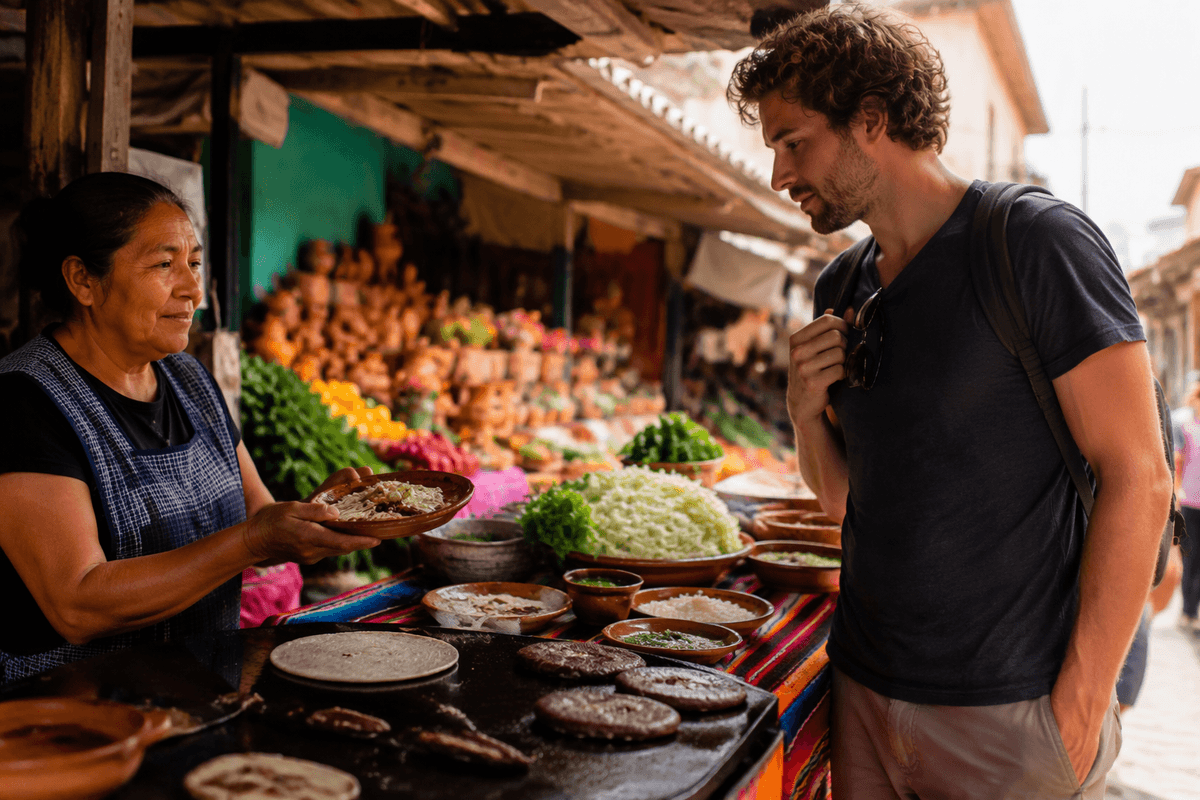
Keep Day Five deliberately flexible, especially if earlier walking or a mezcal outing changed your energy. Return to a market for a dish you missed, or seek a focused food stop such as a bakery, chocolate shop, or neighborhood comedor. Morning markets offer more choice, while evening visits can feel livelier but leave fewer options if stalls close early.
Use the remaining time for one nearby museum, café, or revisit rather than adding another cross-city trip. This is the best day to absorb delays, weather changes, or an unexpected closure. A slower final afternoon may produce a better meal and clearer memories than forcing in one more attraction.
Making the Most of Oaxaca
The best five-day Oaxaca itinerary is not the one with the most stops; it is the one that protects energy and timing. Group central sights, confirm market and museum hours, and use taxis when a distant route would cost half a day.
Leave one flexible window for weather, closures, or fatigue. That small adjustment makes room for the meal, market stall, or quiet street you would otherwise rush past.